4.9/5 based on 1000+ reviews

Trusted by thousands travelers

How a safari in Tanzania with Jema safaris works

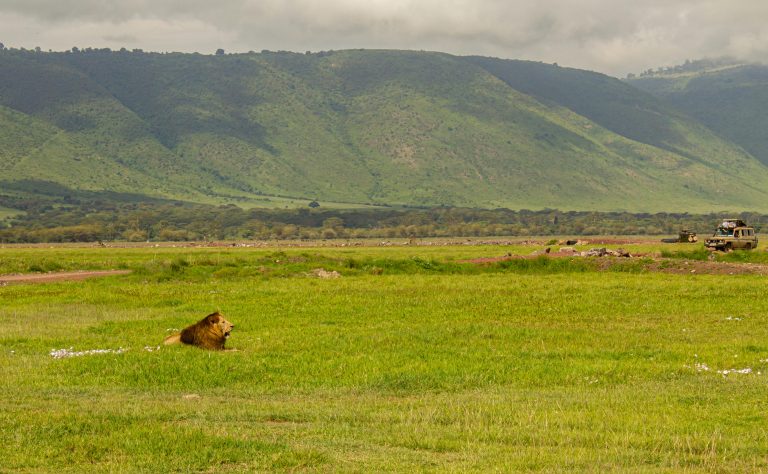
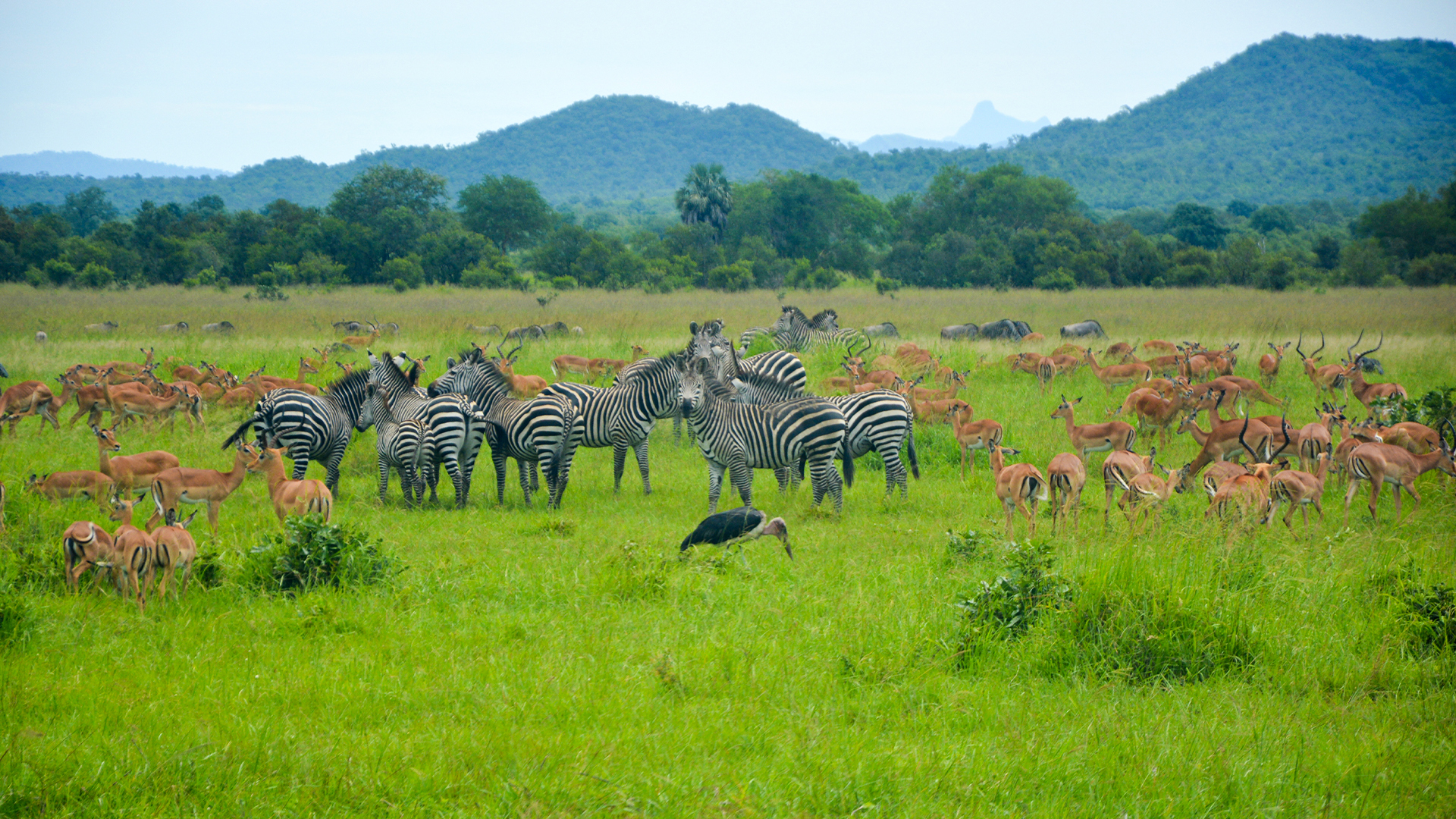
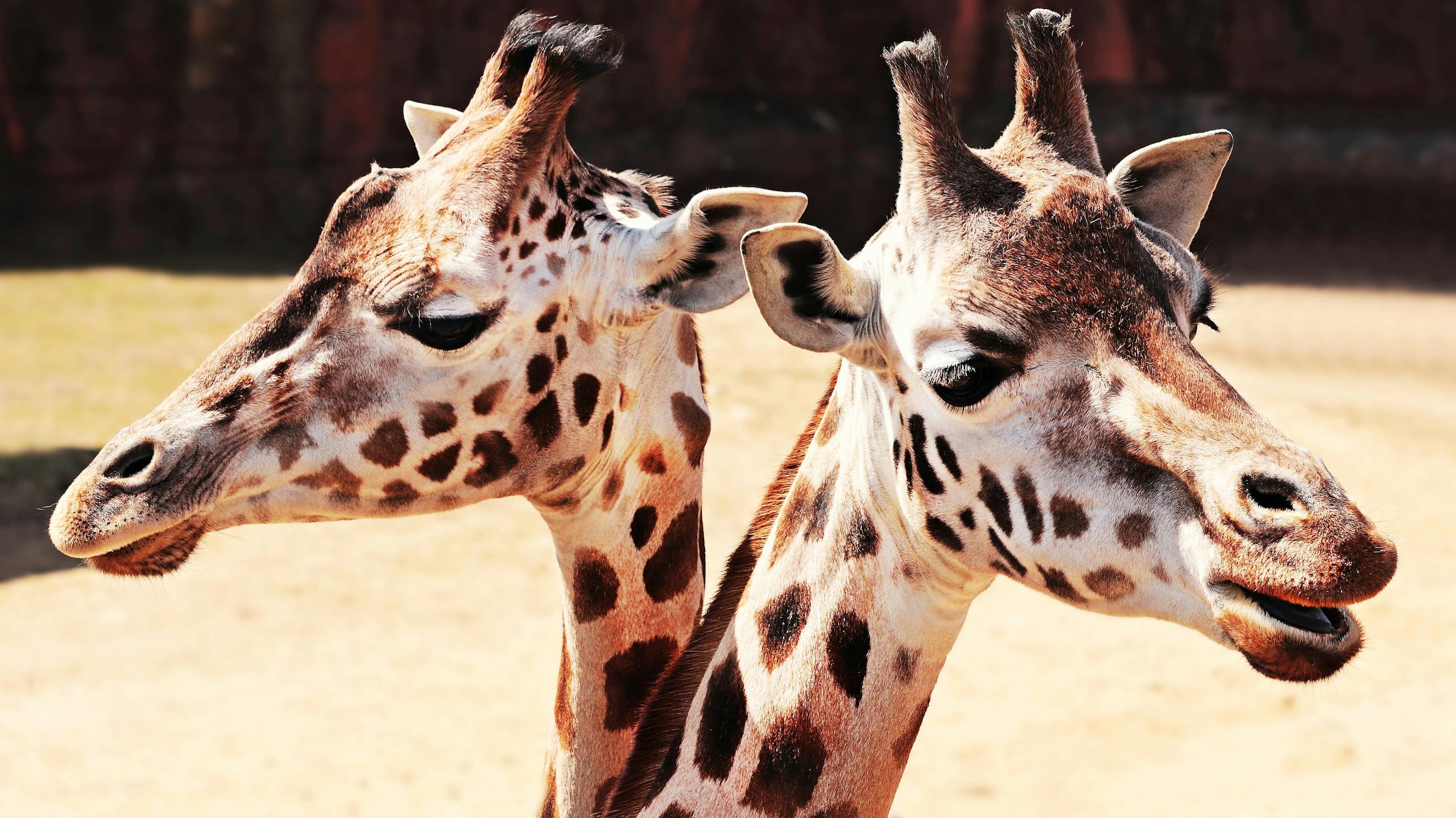
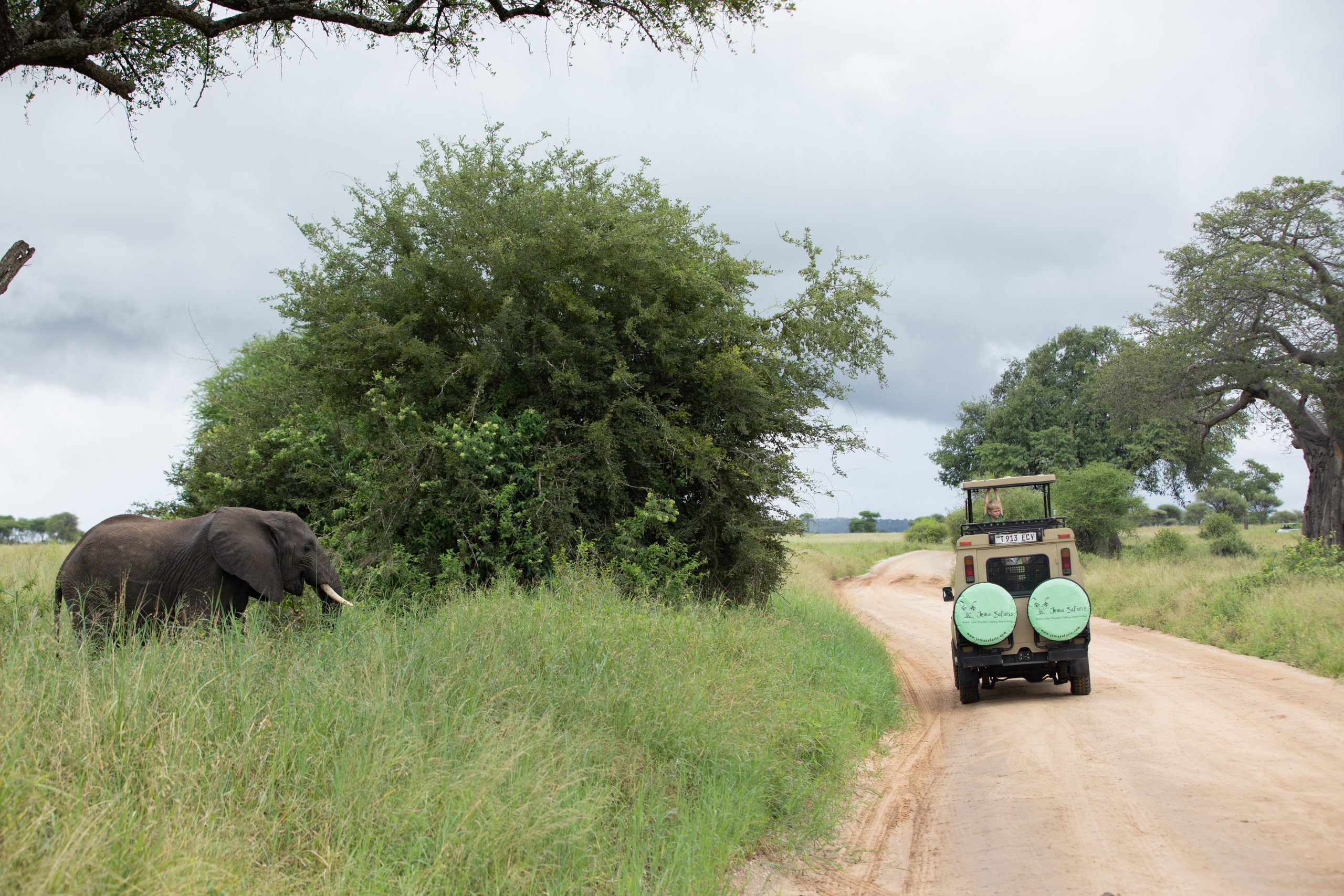
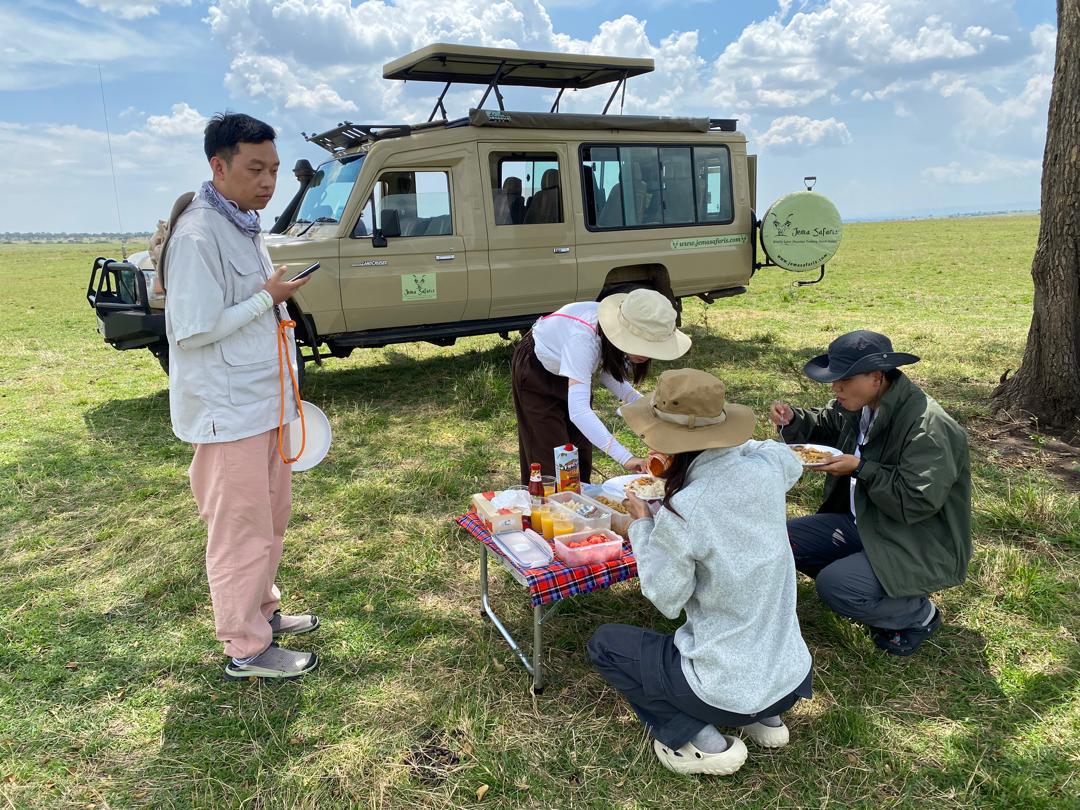
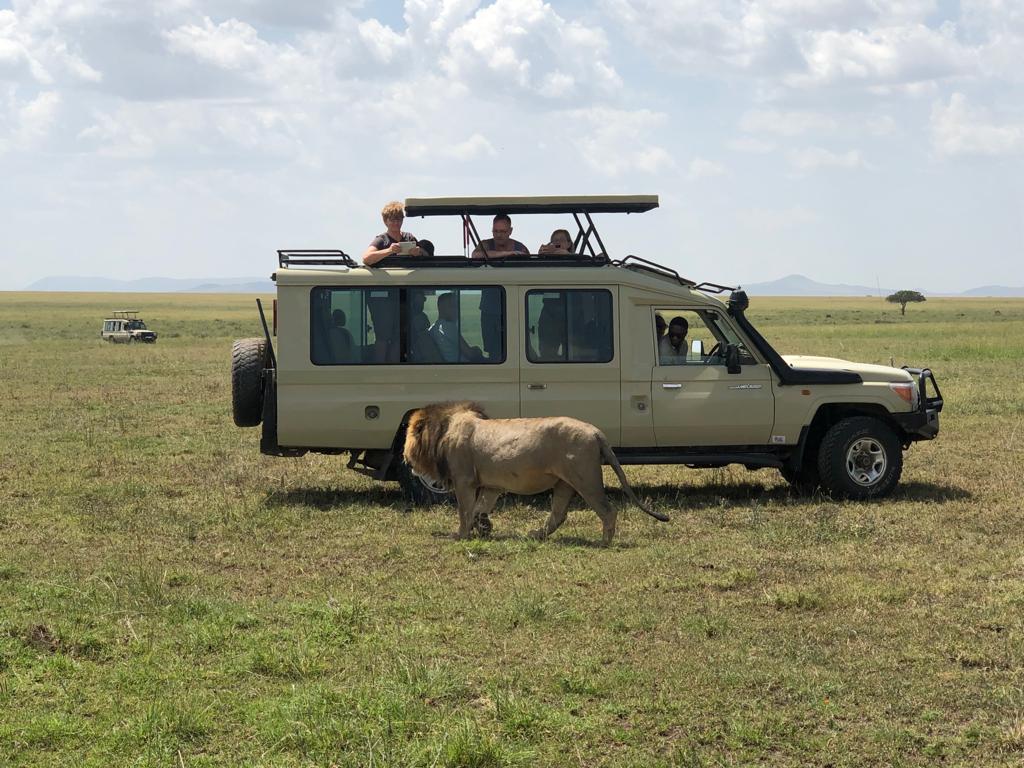
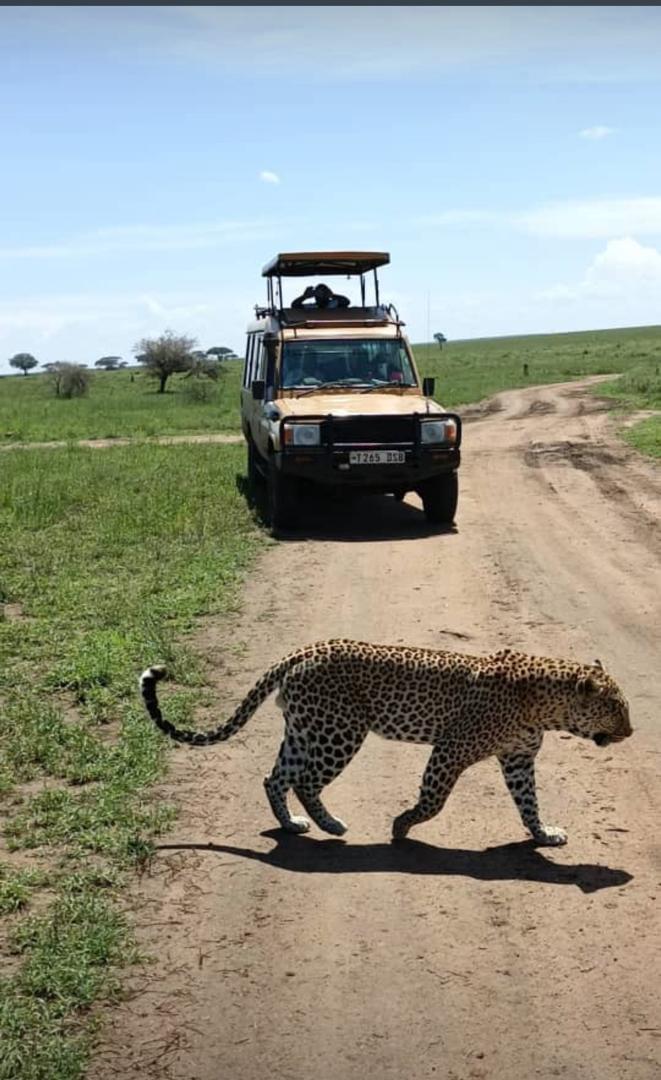
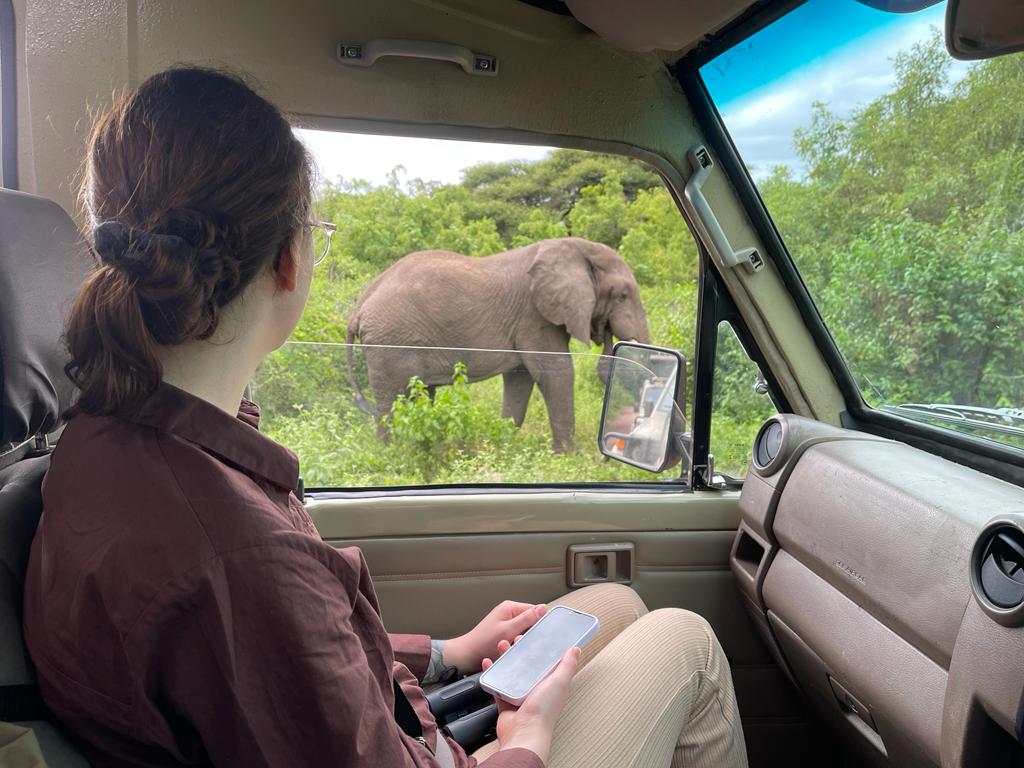
we craft unforgettable journeys through Tanzania’s national parks and wildlife reserves, where Africa’s iconic animals roam freely in their natural environment. Get up close to lions, leopards, elephants, giraffes, antelopes, and a host of other savanna creatures—sometimes just a few meters from your vehicle.

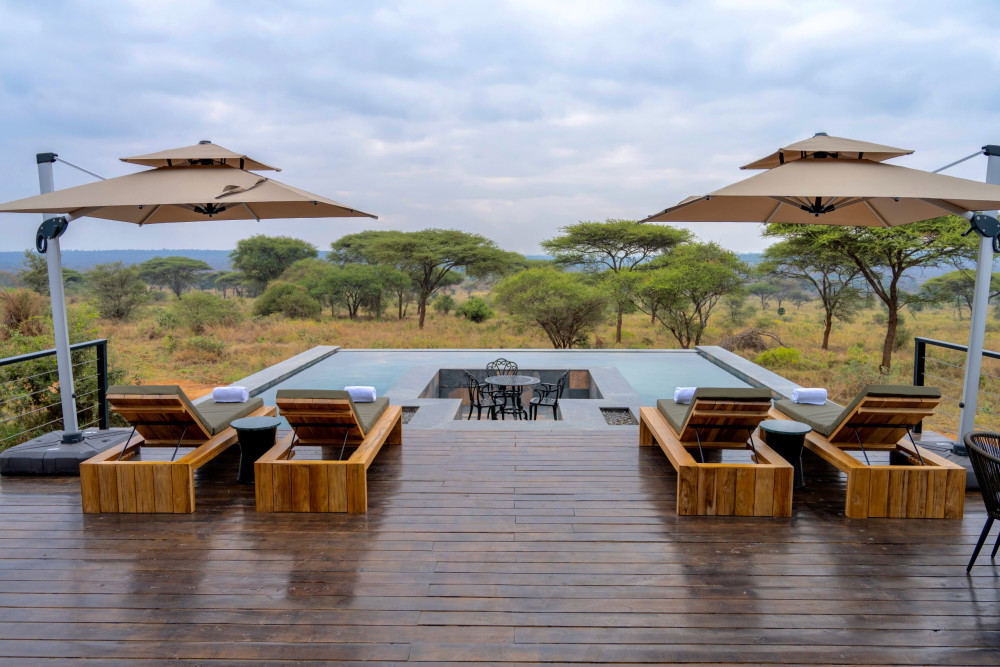
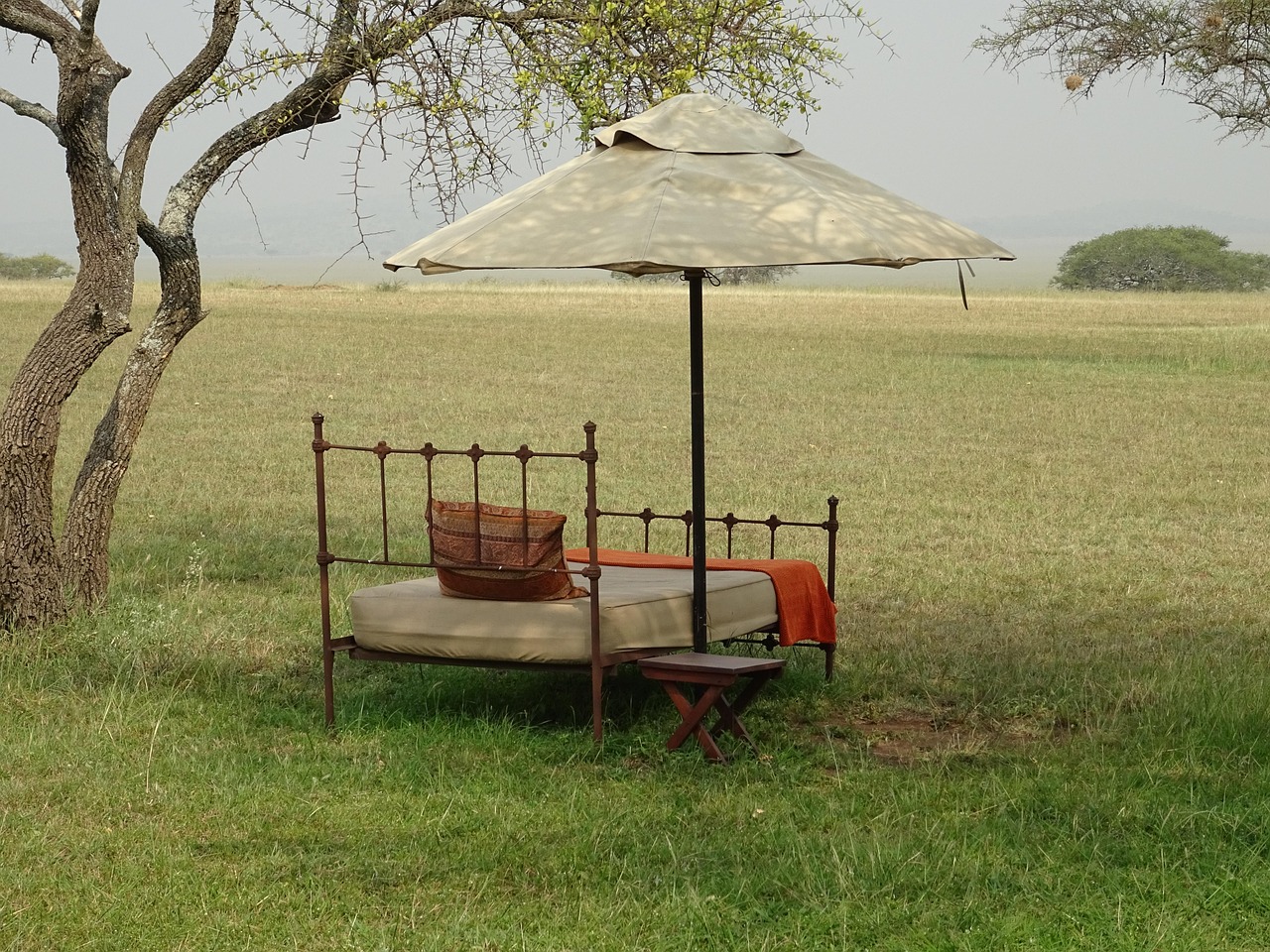
Each evening, your safari guide will escort you to a comfortable lodge, where you can unwind, enjoy a delicious dinner, and reflect on the day’s adventures. As the sun rises, the savanna comes alive: the cool morning air brings out active wildlife, and you might even spot playful serval kittens hiding in the tall grass near your lodge. It’s no wonder Tanzania’s rich wildlife inspired Walt Disney’s The Lion King.

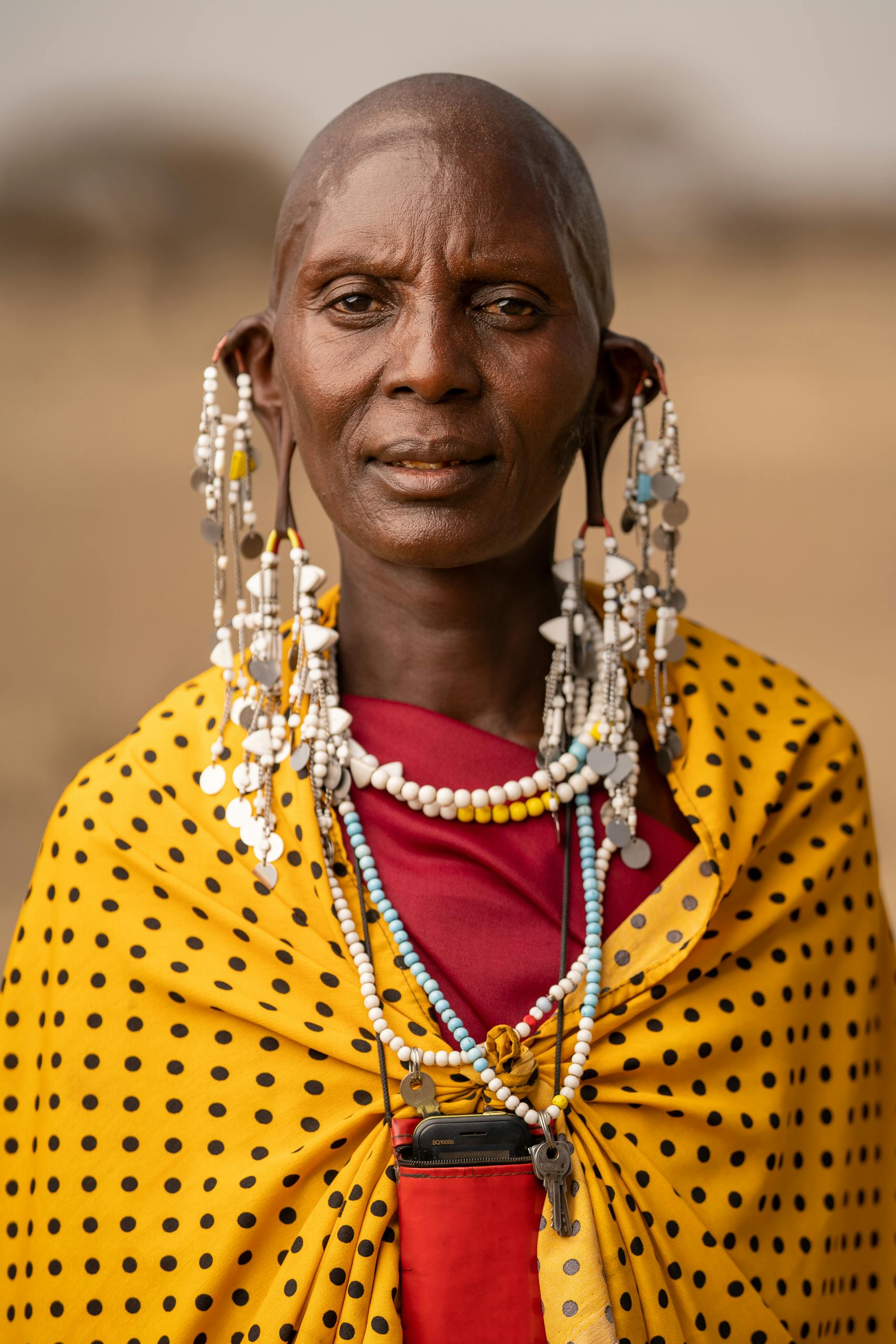
A safari with Jema Safaris is more than just game drives. Enhance your experience with a hot-air balloon ride over the plains, visits to traditional Maasai or Hadzabe communities, or a guided walking safari through pristine wilderness. Tanzania is one of the rare places on Earth where nature has remained largely unchanged for centuries—making every moment on safari truly timeless.

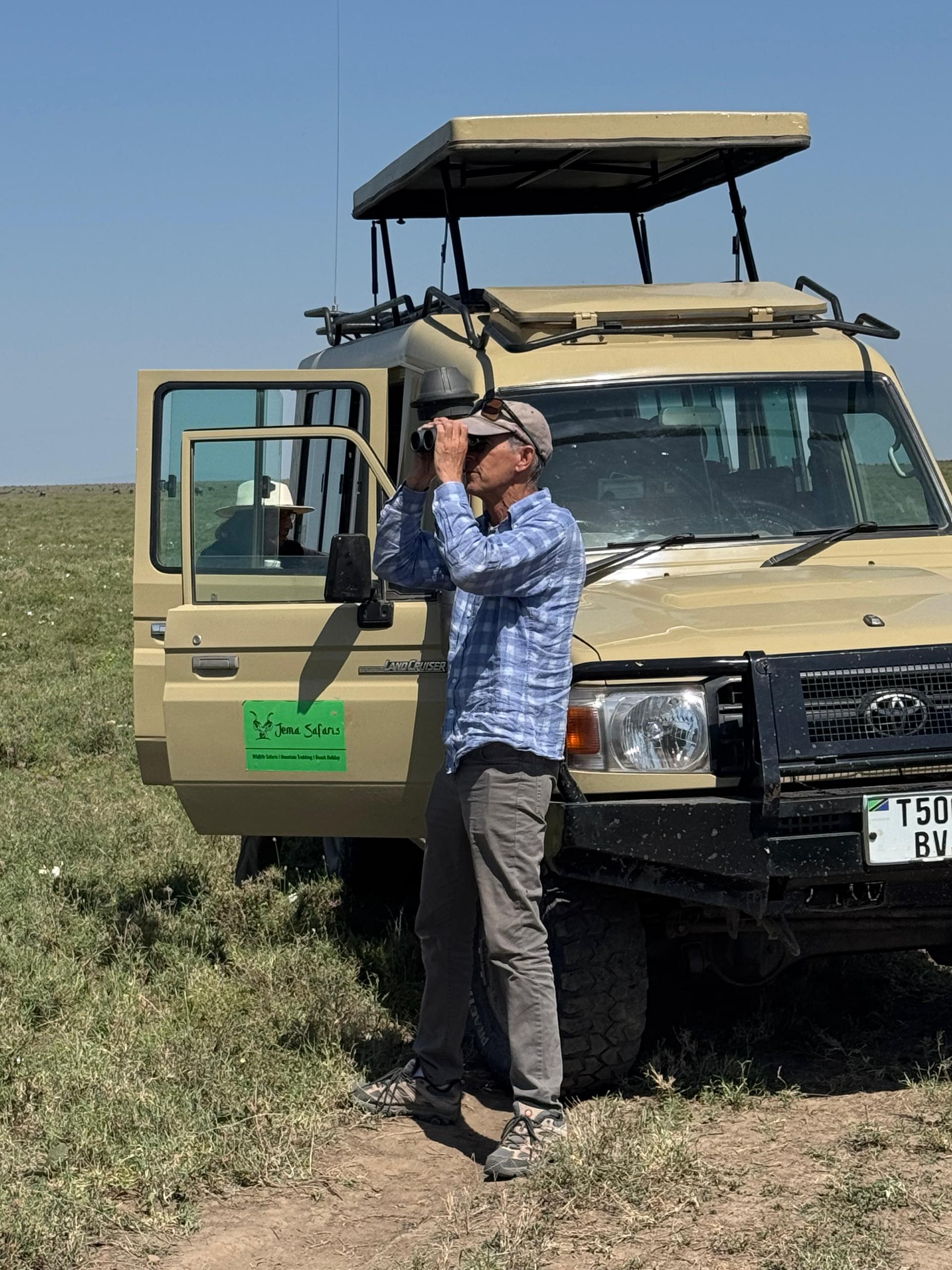
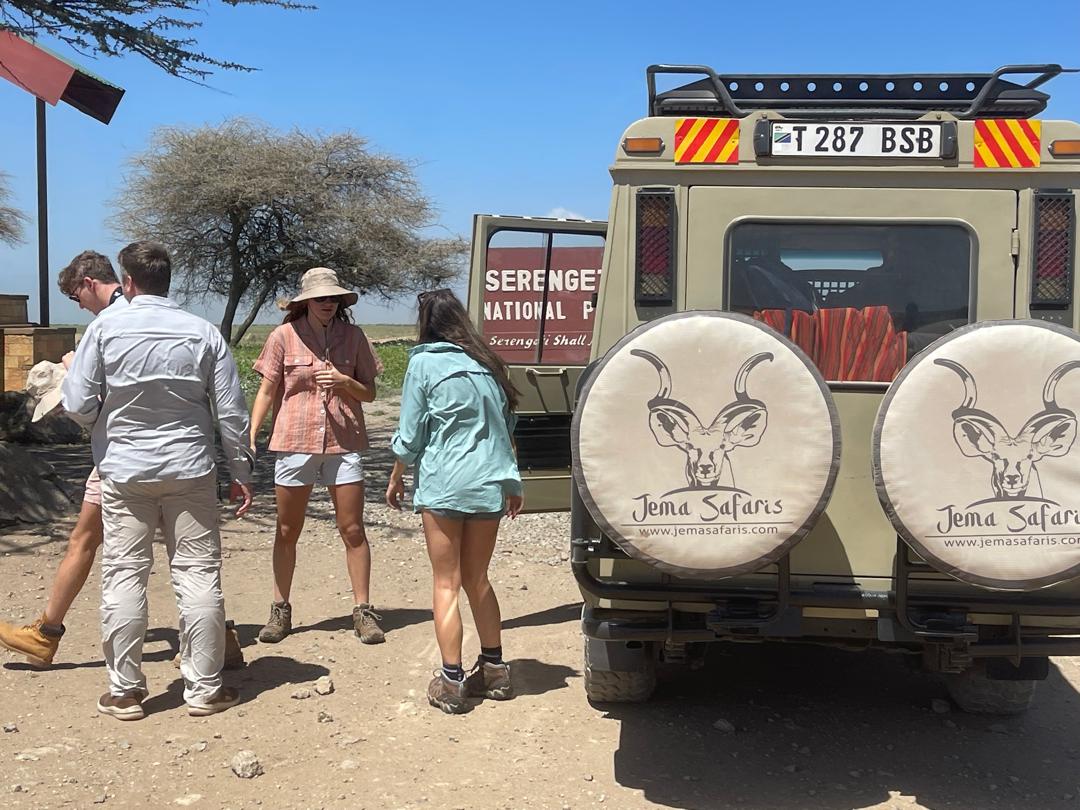
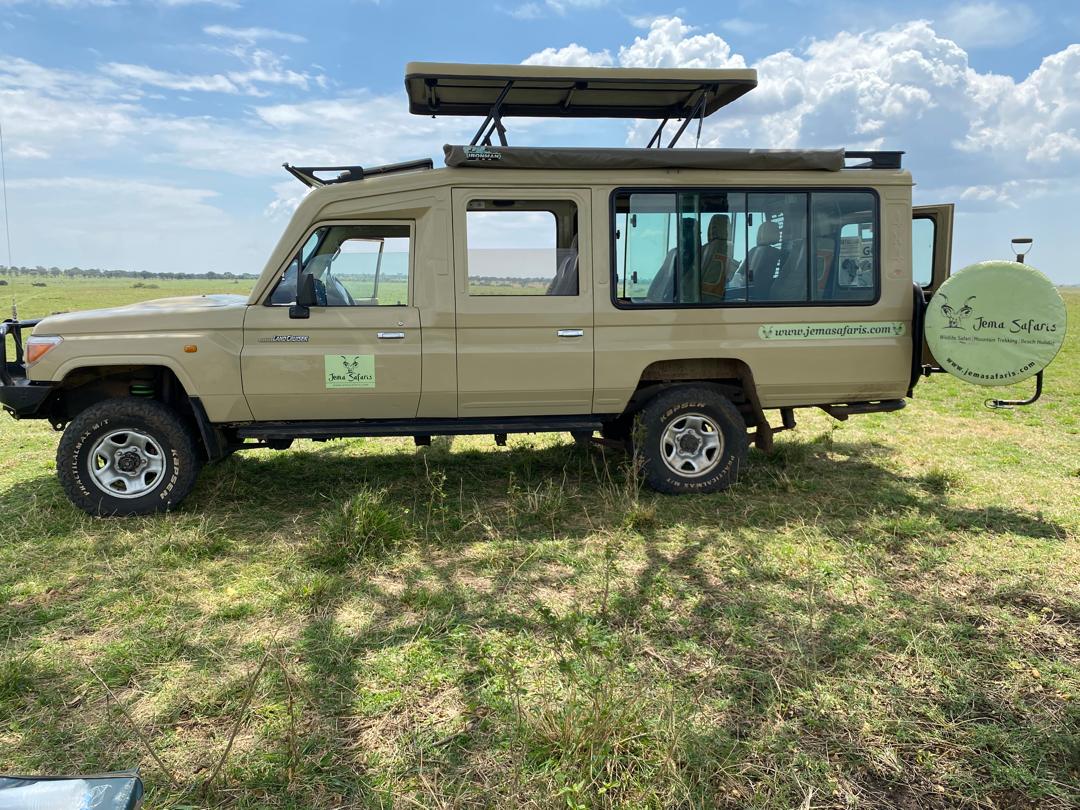
We offer two types of safaris: private tours for couples, families, or groups of friends, and group safaris open to anyone. All expeditions are conducted in new Land Cruiser safari vehicles, with overnight stays at comfortable hotels set in scenic locations. Throughout the entire journey, travelers are accompanied by experienced safari guides.

FAQ,s

Safaris in Tanzania’s national parks operate year-round, but each season has its own characteristics. For example, July is typically dry but also the busiest month, while November brings more rainfall and far fewer visitors. Keep this in mind when planning your trip.

Jan
Feb
Mar
Apr
May
Jun
Jul
Aug
Sep
Oct
Nov
Dec
Dry season
Shoulder season
Rainy season
January
Mid-summer in Tanzania
  • The rainy season usually ends in January. Hot, mostly clear weather sets in, though occasional showers are still possible.
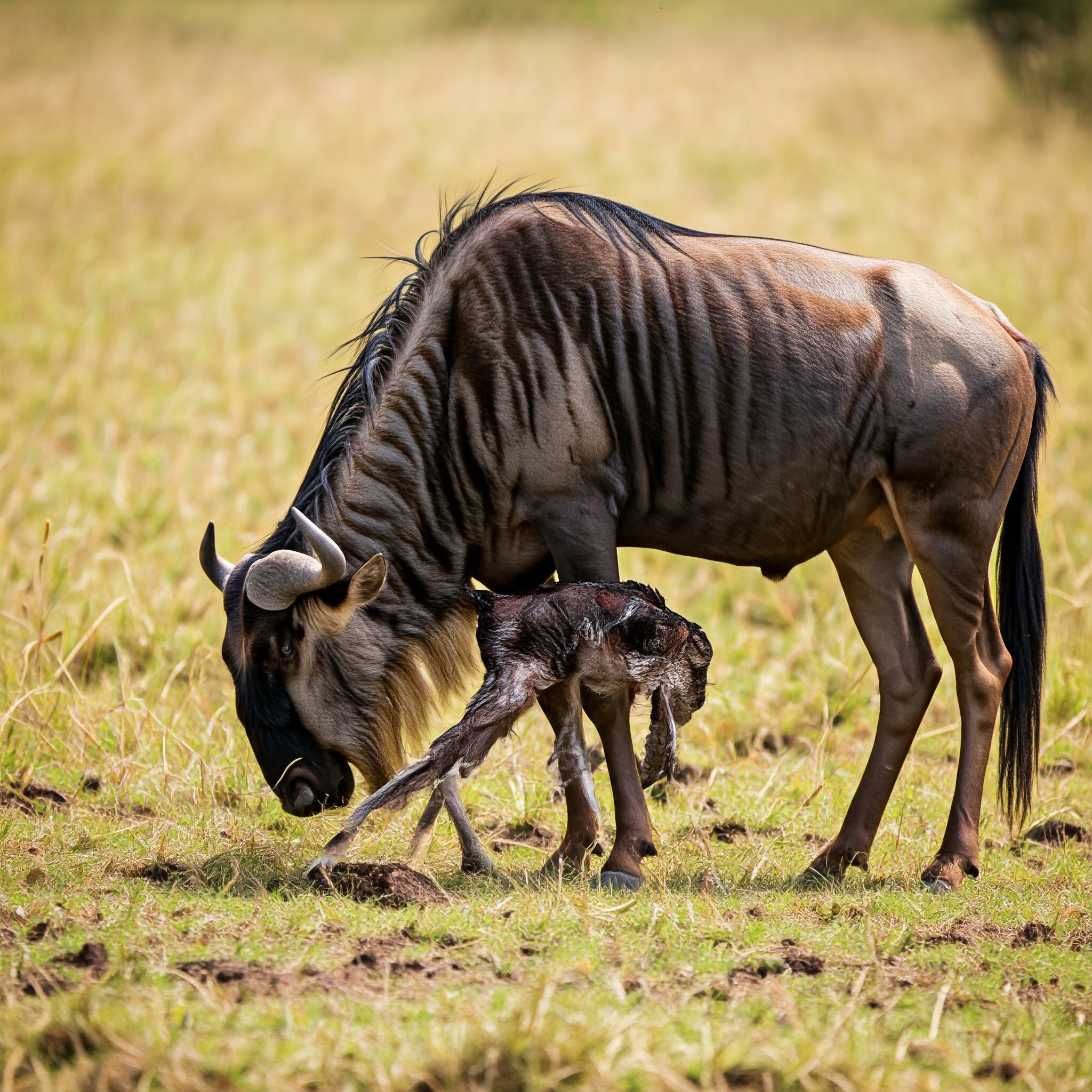
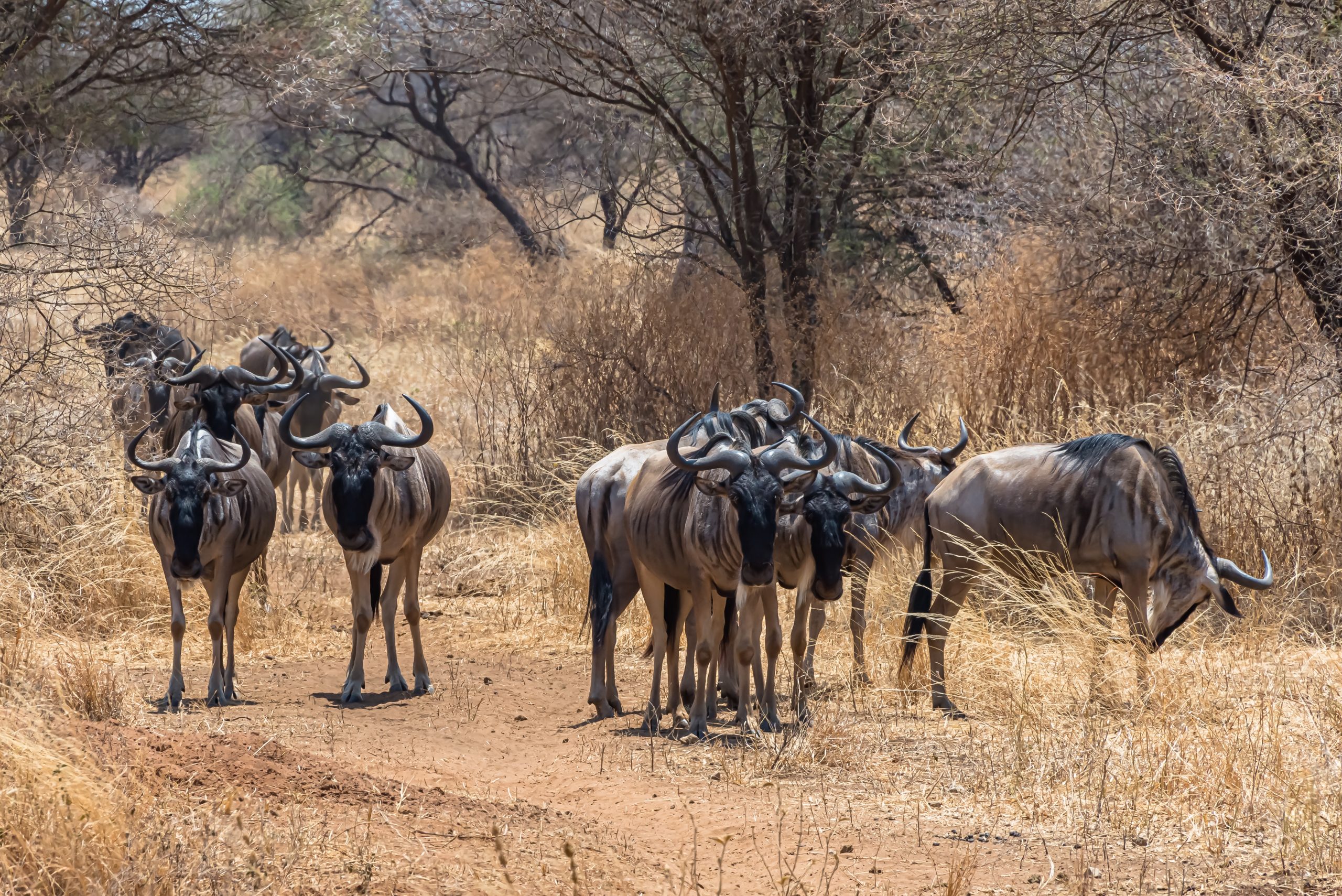
  • The savanna is covered in fresh greenery, and elephants, giraffes, buffalo, lions, and many other animals can be seen throughout the parks. To witness the Great Migration, head to the southern Serengeti and the Ndutu region near the Ngorongoro border. This is where vast herds of wildebeest, zebras, and gazelles gather for the calving season.
Sunny, occasional rain
25°C
Average temperature
Wildebeest calving season
High season
High season
February
Summer in Tanzania
  • February is the hottest month of the year. Although it is considered part of the dry season, brief rains may occur several times a week.
  • In the southern Serengeti, wildebeest and zebras continue their calving season. Calves born in January grow stronger and gradually join the herds of the Great Migration. In northern Tanzania’s national parks, lions, leopards, elephants, giraffes, and many other animals are also easy to spot.
Sunny, occasional rain
27°C
Average temperature
 Wildebeest calving season
Wildebeest calving season
High season
High season
March
Autumn begins in Tanzania
  • The first half of March is usually mostly sunny, but rains typically begin by mid-month. Grass grows quickly across the savanna, and new water sources appear, allowing animals to roam freely throughout the parks. Visitor numbers drop noticeably.
  • The Great Migration continues its annual cycle. By the end of the month, the first herds of wildebeest and zebras leave the southern plains and move deeper into the Serengeti. Predator sightings are at their peak.
Afternoon rains
Afternoon rains
25°C
Average temperature
Predator viewing
Predator viewing
Shoulder season
Shoulder season
April
Autumn in Tanzania – lower safari prices
  • April marks the main rainy season, but showers usually fall after midday, when guests have already returned to the lodge. This is one of the most scenic times of the year: animals spread out across the plains, and hundreds of bird species can be seen almost everywhere.
  • For mammal viewing, we highly recommend Ngorongoro. This conservation area is known for having the highest concentration of animals in Africa. There are few travelers at this time, and lodges often offer attractive discounts.
Afternoon rains
Afternoon rains
23°C
Average temperature
Birdwatching
Birdwatching
Low season
Low season
May
Autumn in Tanzania – lower safari prices
  • The rainy season continues, although rainfall gradually decreases toward the end of the month. The savanna remains lush and green, and animals can be seen throughout the national parks.
  • In the western Serengeti, large concentrations of grazing animals gather near the Grumeti River, home to many crocodiles. Massive herds of wildebeest and zebras move in, followed closely by predators. Visitor numbers remain low, and lodges continue to offer seasonal discounts.
Afternoon rains
Afternoon rains
22°C
Average temperature
Predator viewing
Predator viewing
Low season
Low season
June
“Winter” arrives in Tanzania
  • Cooler, dry weather sets in, and animals gather around permanent water sources. By the end of the month, the grass is much shorter than during the rainy season, making lions, leopards, hyenas, and other mammals easier to spot even from a distance.
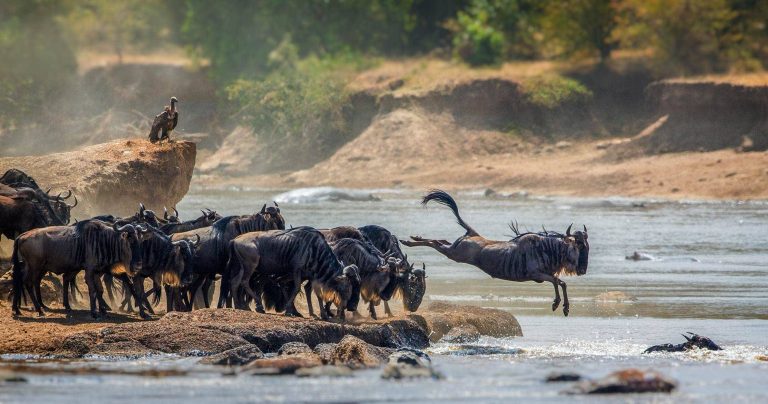
  • In western Serengeti, the Great Migration enters one of its most dramatic phases: the Grumeti River crossing. After reaching the opposite bank, thousands of wildebeest, zebras, and other grazers continue north toward the Mara River.
Sunny
Sunny
20°C
Average temperature
Predator viewing
Predator viewing
Shoulder season
Shoulder season
July
“Winter” in Tanzania
  • By mid-July, vegetation dries out, and the savanna shifts into its familiar yellow hues. Elephants, giraffes, hippos, buffalo, and other animals are easily spotted near water sources. Lions, leopards, and hyenas remain close, drawn by zebras and wildebeest coming to drink.
  • After crossing the Grumeti River, the herds continue north to the Mara River, where the most dramatic river crossings of the Great Migration take place.
Sunny
Sunny
20°C
Average temperature
Mara River migration
High season
High season
August
The end of “winter” in Tanzania
  • August is one of the most popular months for safari. Weather conditions are excellent, and wildlife viewing is at its peak. The Great Migration is in the northern Serengeti. One of the most memorable ways to experience it is by taking a hot-air balloon ride at sunrise.
  • Tarangire National Park is also popular for its large elephant herds. At Lake Natron, the iconic flamingo nesting season begins. For a quieter experience, consider Ruaha or Nyerere National Parks.
Sunny
Sunny
24°C
Average temperature
Grumeti River migration
High season
High season
September
Spring begins in Tanzania
  • By early September, seasonal water sources dry up, and animals remain near permanent lakes and rivers. To see the Big Five, travelers head to Serengeti and Ngorongoro, where giraffes, zebras, hyenas, hippos, crocodiles, and many other species can be found.
  • Mkomazi National Park is one of the few places where you can still enjoy solitude even in September. It also offers a unique chance to see black rhinos, one of Africa’s rarest animals.
Sunny
Sunny
25°C
Average temperature
The Big Five
The Big Five
High season
High season
October
Mid-spring in Tanzania
  • October is the last month before the short rainy season. Occasional showers are possible, but overall the weather remains warm and sunny. High concentrations of animals can still be seen across most parks, including Serengeti, Ngorongoro, and Tarangire.
  • At the foot of the Ol Doinyo Lengai volcano, Lake Natron becomes a nesting site for millions of pink flamingos. In October, the first chicks hatch, creating one of the most striking natural sights in Tanzania.
Sunny
Sunny
26°C
Average temperature
Flamingo nesting
Flamingo nesting
Shoulder season
Shoulder season
November
End of spring in Tanzania – safari discounts
  • The short rainy season begins. Although rainfall is lighter than in April, the savanna transforms by mid-month, becoming lush and green with small pools of water. There are few travelers, and the low grass makes animals easier to spot from a distance.
  • Migrating herds complete their annual cycle, returning east across Serengeti’s plains. This region is prime cheetah territory, offering excellent opportunities to see these elusive predators.
Afternoon rains
Afternoon rains
24°C
Average temperature
Big cats
Big cats
Low season
Low season
December
Summer begins in Tanzania
  • The first half of December may bring rain and thunderstorms, followed by improving weather and a growing number of safari vehicles in the parks. This is especially noticeable after Christmas on December 25.
  • After the rains, plains turn green, rivers and lakes are full, and antelope, zebra, and gazelle herds gather near Ngorongoro in preparation for the next Great Migration cycle. Lions, elephants, giraffes, and other large mammals can be seen in nearly all safari parks.
Afternoon rains
Afternoon rains
26°C
Average temperature
Big cats
Big cats
High season (Christmas)
Planning your dream vacation is easy
No time to search for a safari tour? Let us create a personalized itinerary based on your preferences. Get in touch, and we’ll suggest the best options for you.
 

To really soak in Tanzania’s safari wonders like Ngorongoro Crater, Serengeti, and Tarangire National Park, aim for a 5-7 day trip. This will give you enough time to explore the northern circuit and see the Big Five and other key animals. For those who can stay longer, there are incredible safari journeys lasting 20+ days!
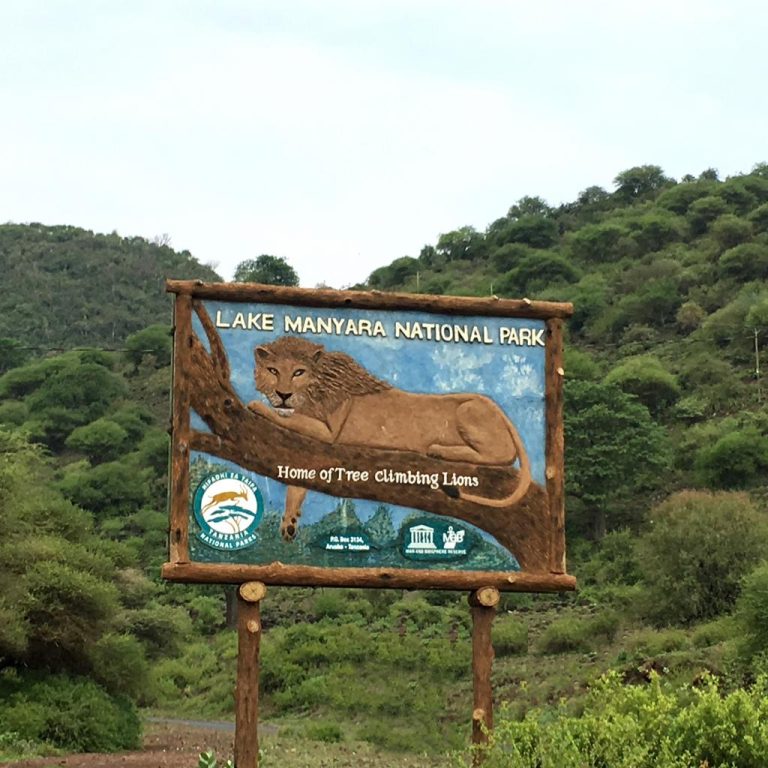
If you’re short on time, a quick safari covering Arusha and either Tarangire or Lake Manyara National Park can be done in 1-2 days. It’s a great snapshot of Tanzania’s wildlife. And, if you’re keen on the Serengeti but pressed for time, flying directly there is a good option.

The Great Wildebeest Migration is a mesmerizing natural spectacle for wildlife lovers, featuring over a million animals traversing the Serengeti-Mara ecosystem. Starting with calving in the southern Serengeti, near the Ngorongoro Conservation Area, they wind through the Serengeti towards Kenya’s Masai Mara, returning by year’s end. One of the most dramatic parts of this migration is the Mara River crossing. Here, the migration herds face the challenging currents and hungry predators lurking in the waters. Watching thousands of these animals navigate the Mara river is a highlight for many travelers.

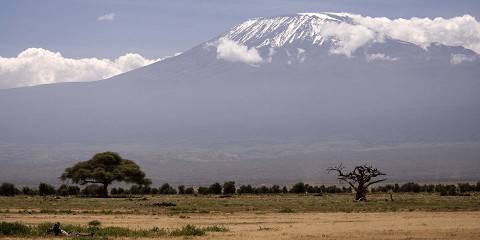
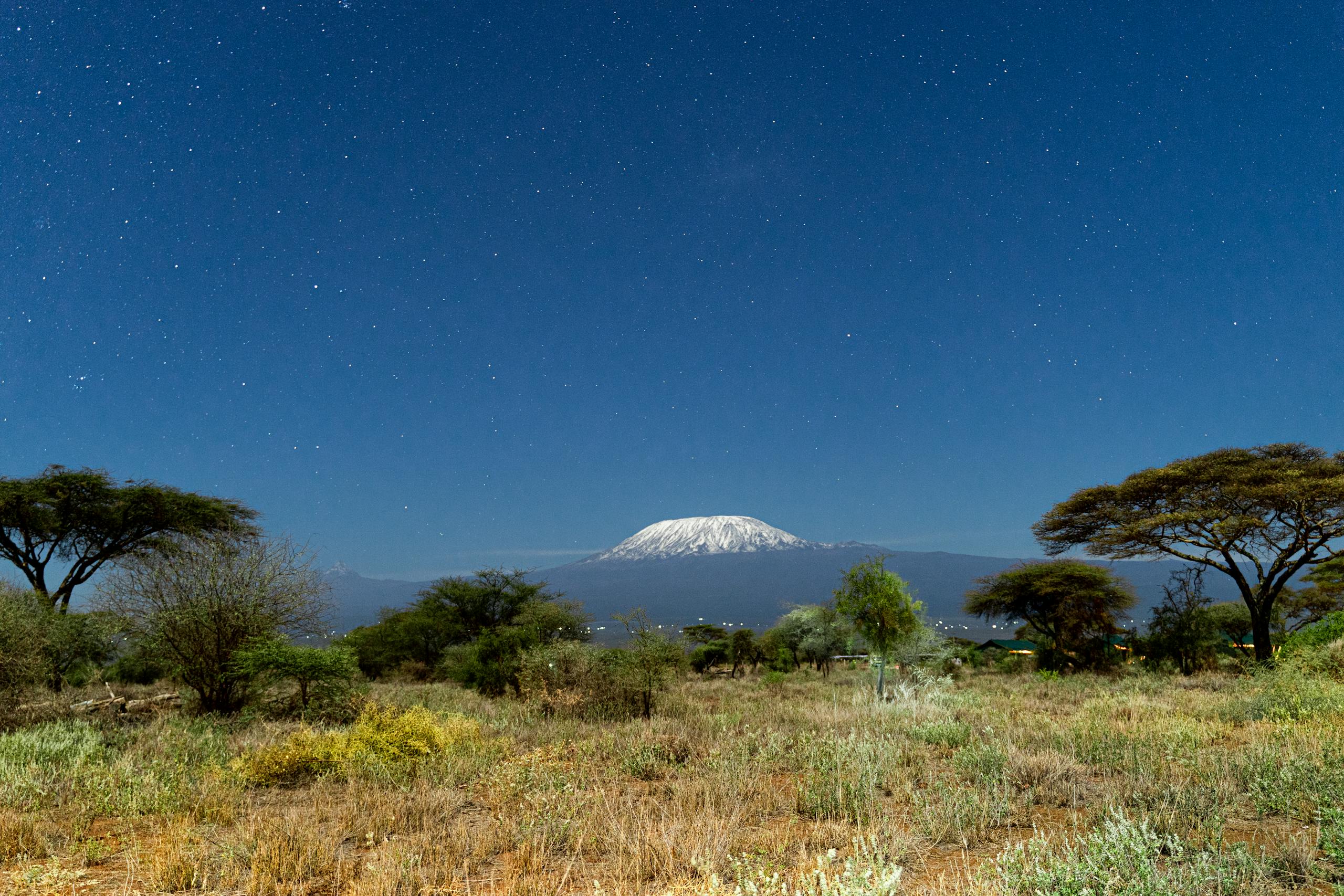
Kilimanjaro International Airport is the gateway to northern Tanzania national parks like Serengeti and Ngorongoro Crater, and is close to Mount Kilimanjaro. For the southern parks, Dar Es Salaam International Airport is the go-to entry point

For a safari, choose shirts and pants in neutral colors like khaki or gray to blend in and hide dust. Avoid white, blue, and camouflage clothing. Blue attracts tsetse flies and camouflage is restricted for civilians. Dresses are great for lodges but pants are practical for drives. Remember sun protection: a wide-brimmed hat, sunglasses, and sunscreen. For footwear, sandals are fine for lodges, but closed shoes are better for drives. Pack a warm jacket for chilly mornings and evenings, especially in high-altitude areas

Tanzania National Parks