

Destination

Destination

Serengeti National Park

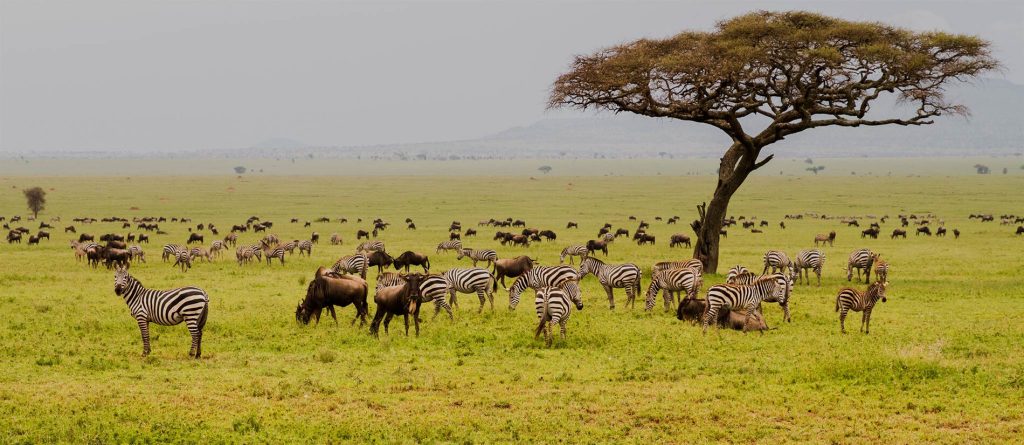
Tanzania Safaris Destination Serengeti National Park Plan Your Journey Serengeti: One of Tanzania’s oldest national parks When you think of a classic safari, you probably think of the Serengeti National Park. You are right to do so, as it is one of the most spectacular national parks on the planet. The Serengeti National Park is located in northwest Tanzania. The park and bordering reserves allow for one of the last remaining wildlife migrations on the planet. This wildlife spectacle, the park’s vast numbers of wildlife and its diverse yet beautiful landscapes are a few of the reasons why the park was declared a UNESCO World Heritage Site in 1981. The Serengeti National Park offers exceptional wildlife viewing all year round, where it is possible to witness the great wildebeest migration and see the Big Five. The Four Areas of the Serengeti National Park A glimpse of what to expect. Central Serengeti The Seronera Valley is the heart of the park and home to large numbers of wildlife. Spot lions and cheetahs snoozing on the plains in the shade of acacia trees. The Seronera River is lined with Palm, Sausage and Yellow Fever trees. The river attracts numerous birds and animals, including a high population of leopards. At the Retima Hippo Pool, you can see vegetarian giants in their natural habitat. Southern Serengeti On the southern plains, you will be amazed by the never-ending grasslands and the huge granite formations called kopjes, home to the whole food chain. Kopjes offer the perfect shady resting places, look-outs and nurseries for lions, leopards, cheetahs, and hyenas to name but a few. Other interesting species to look out for, include the rock hyraxes and colourful Agama lizards. All of the kopjes are named. The most commonly known are Simba, Gol, Research and Moru. From January to February the wildebeest calving occurs around Lake Ndutu. Large numbers of predators can be seen during this time. Western Serengeti The Western Serengeti stretches almost as far as Lake Victoria. The vegetation changes to wooded savannah and black cotton soils that are impassible in the rainy season. The Grumeti Game Reserve and the Ikorongo Game Reserve border the park and within it run two large rivers: The Grumeti and the Mbalageti River, which both flow into Lake Victoria. The Grumeti River is famous for its river-crossings, huge crocodiles and the rare Patas Monkeys. From mid-May the wildebeest arrive in this area and the Grumeti river-crossing begins. Northern Serengeti Northern Serengeti is made up of open woodlands, riverine forests and ranges of hills. The majestic Mara River is located here and is famous for five-metre-long crocodiles and the iconic wildebeest river-crossing, which is at its most spectacular from mid-July. This area is a lot less frequented by visitors, making it a great place for an intimate safari experience. Animals and birds of the Serengeti National Park The park is home to the Big Five – lion, elephant, buffalo, leopard and rhino. However, the Black Rhino can be difficult to spot. The Serengeti has a high population of lions, leopards and cheetahs. Buffalo and a growing number of elephants graze on the savannah. ~530 bird species including Secretary Birds, Egyptian Geese, Black Headed Herons, Grey Crowned Cranes, Kori Bustards and Tanzania’s largest populations of Ostrich can be found in the Serengeti National Park. The Great Wildebeest Migration To see ~1.5 million wildebeest in one place is breathtaking. A large number of herbivores attract numerous predators. The drama played out through the plains, and particularly the river-crossings is enthralling. The wildebeest migration in a snapshot: Visit from June to October to experience the migration in the park. July is the best time to see the river-crossing at the Mara River. But be aware that it will get very busy in the park as well as at the crossing points. For a more intimate safari experience we recommend visiting during the low season or going to more remote areas of the park. The calving season takes place from January to February, whereas the wildebeest rut (mating season) occurs from May to June. Mid-May is the best time to see the river crossing at the Grumeti River. Discover more about our Migration Safaris. When to go Best time to go to the Serengeti National Park You can visit the Serengeti National Park throughout the year. The period from June to October is the dry season, and it’s also when the wildebeest migration occurs. You’ll find it easier to spot wildlife during this time, and the weather is pleasant. However, it’s a popular time, so parts of the park can get busy. The short rains from November to December bring about a burst of green growth, followed by a brief dry spell in January and February. From March to May, long rains occur, and this is the ideal time if you prefer a lush green park with fewer visitors. Dry Season June to October Ideal for seeing the wildebeest migration and large numbers of animals. But it can be busy. Green Season March to May The best time to see a green park with fewer visitors. Why book with us Experienced Guides With years of safari guiding across Tanzania, our team ensures every moment is rich with discovery, comfort, and local connection. Experienced Guides With years of safari guiding across Tanzania, our team ensures every moment is rich with discovery, comfort, and local connection. Experienced Guides With years of safari guiding across Tanzania, our team ensures every moment is rich with discovery, comfort, and local connection. What Our Travelers Say Nothing speaks louder than the voices of travelers who have explored Tanzania with us. Whether it’s a first-time safari or a return journey, our guests consistently highlight our expert guides, seamless organization, and the unforgettable moments we create together.
Destination

Ngorongoro Crater & Conservation Area

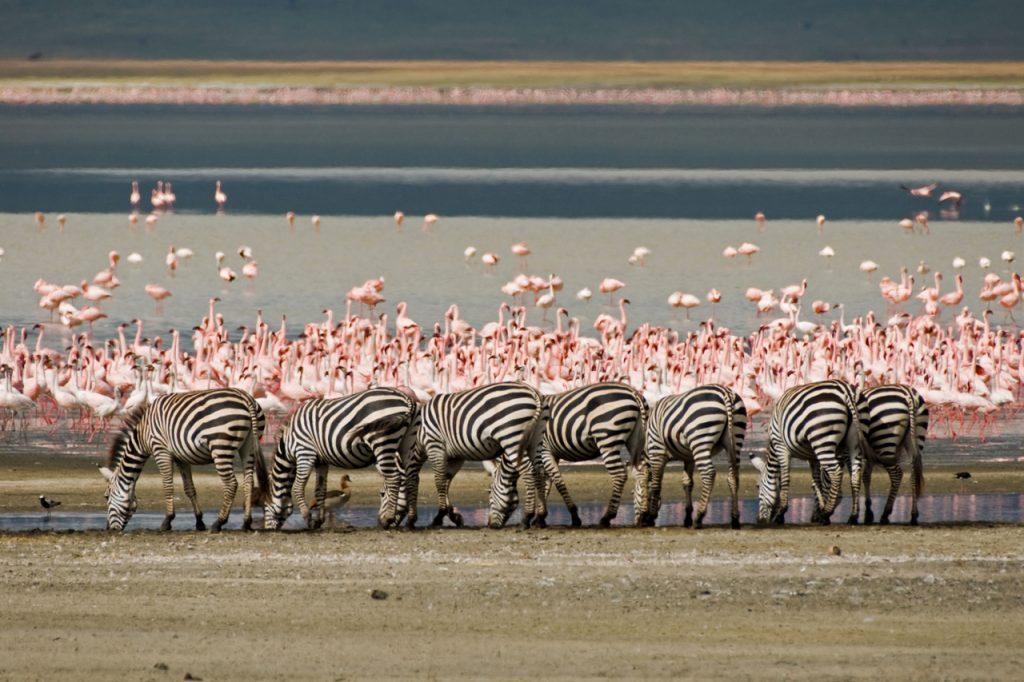
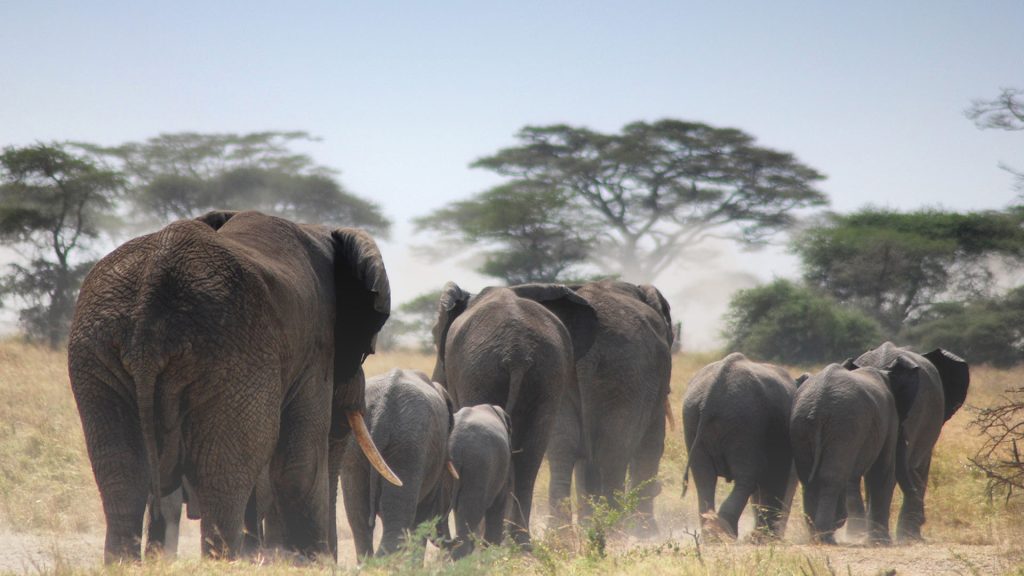
Tanzania Safaris Destination Ngorongoro Crater & Conservation Area Plan Your Journey Ngorongoro Crater: A place of unparalleled beauty The feeling of anticipation as you descend the narrow road into the Crater is unlike anything you’ll experience in other protected wildlife areas. It’s not only one of the best places for wildlife sightings on the continent, but also a place of uniqueness, wonder, and abundance, leaving you in awe of the natural world. The Ngorongoro Crater is the world’s largest unbroken, inactive, and unfilled caldera. With a diameter of approximately 19 km (12 miles) and its majestic walls that rise just over 610 m (2000 feet), the crater floor covers an area of 260 sq km (100 sq miles). Over 30,000 animals, including the rare black rhino, are part of the Big Five that call this unique place their home. The Crater was formed when a gigantic volcano – said to have been as high as Mt Kilimanjaro – erupted and collapsed about 2.5 million years ago. Today, the crater floor is covered by various landscapes, ranging from dense mountain forests and woodlands to grasslands, lakes, and swamps. Water sources include the two main rivers, Munge River in the west and Lerai River in the east as well as the Ngotokitok spring that spills into a swamp. Huge herds of ungulates dominate the crater floor, with zebras, wildebeests, elands, Grant’s and Thompson’s gazelles as the species most commonly seen. But the crater is also home to the Big Five, and elephants, lions and buffaloes are often spotted. Leopards are rarely seen as they prefer staying in the forests on the crater rim. The very rare black rhino is also at home in the crater, and sightings are fairly common. Serval cats, spotted hyenas and jackals are also often seen, while cheetahs are more difficult to spot. But it is not only mammals that reside here. You can see a great number of lesser flamingos at Lake Magadi, a primarily alkaline lake. Other common birds include ostriches, Kori bustards, crowned cranes, white-backed vultures, black kites, cattle egrets, tawny eagles, augur buzzards and many more. A walk along the Ngorongoro Crater rim accompanied by a ranger takes visitors on a trail created by livestock. The trail passes moss-covered trees and Masai bomas, offering breathtaking views of the crater below. It’s one of the few popular wildlife areas in Tanzania, where you can experience your surroundings on foot. The famous Crater is part of the Ngorongoro Conservation Area, a large area of protected land. The Ngorongoro Conservation Area was officially declared a UNESCO World Heritage Site in 1979. The area consists of various landscapes and includes dense mountain forests, woodlands, grasslands, lakes, and swamps. Some of the most important archaeological sites in the world, such as Oldupai Gorge and Laetoli, are in the Ngorongoro Conservation Area. Archaeologists found evidence showing that the area was occupied by hominids over 3 million years ago, thus claiming that it could be the birthplace of mankind. Today, over 40,000 Masai reside in the area, making the Ngorongoro Conservation Area one of the only places in Tanzania where human habitation is allowed within a wildlife-protected area. The conservation shares a boundary with the Serengeti National Park, and you need to drive through the conservation in order to get to the Serengeti. There are no accommodation options located at the bottom of the Crater floor. You drive into the Crater for game drives during the day but drive back up before the sun sets. There are a few exclusive lodges and camps, as well as one campsite along the Crater rim overlooking the caldera. Staying here grants you the view of a lifetime and an unforgettable sunset. However, most accommodation options are located close to the small town of Karatu in the Ngorongoro highlands. You can stay at coffee plantations and beautiful manor houses overlooking coffee fields and rolling hills. It does take about an hour to drive from Karatu to the Crater. And while this means you won’t be the first to reach the Crater floor for your game drive in the morning, you will still have an amazing safari experience – and an accommodation that’s friendlier on your wallet too. When to go Best time to go to the Ngorongoro Conservation Area The good news: No matter the month, wildlife viewing in the Ngorongoro Crater is great! There are a few things to consider when choosing the travel time that’s best for you personally though. July to September is peak travelling season in Tanzania. This is because it’s the dry season which means sunny weather, dry roads and short grass – all important conditions for successful wildlife sightings. That being said, it also means the Crater floor will get busy and you will have to share sightings with quite a number of other safari vehicles. If you are looking for a more intimate experience, consider the rainy season months April and May. Vegetation is lush and green and it’s the only time of the year the Crater is less busy. When choosing the best time to travel, do consider the other national parks you would like to visit during your stay as well. Often, shoulder season – the months in-between the peak and the low season – will get you the best of both worlds. Dry Season June to October & December to February Best for wildlife sightings, but it can get very busy Green Season November & March to May Lush landscapes and fewer visitors in the Crater. Why book with us Experienced Guides With years of safari guiding across Tanzania, our team ensures every moment is rich with discovery, comfort, and local connection. Experienced Guides With years of safari guiding across Tanzania, our team ensures every moment is rich with discovery, comfort, and local connection. Experienced Guides With years of safari guiding across Tanzania, our team ensures every moment is rich with discovery, comfort, and local connection. What Our Travelers Say Nothing speaks louder than

Destination

Tarangire National Park

Tanzania Safaris Destination Tarangire National Park Plan Your Journey Tarangire National Park: The park that has it all A large herd of buffaloes make their way to the shallow waters of the Tarangire River as elephants scratch their backs on the iconic Baobab trees and a lioness stretches sitting on an Acacia tree, letting her gaze wander across the swamps. Diverse and scenic landscapes, a high density of wildlife, yet still one of the lesser-known national parks in Tanzania – that’s Tarangire National Park. Tarangire is conveniently situated along the way to the more famous Serengeti and Ngorongoro Crater. But it is a popular park and excellent safari destination in its own right – and so much more than just a stopover to break up the journey! The vegetation within the park is extremely diversified and includes open grasslands, savannah, Baobab trees and thick acacia bush as well as palm trees and swamps full of tall elephant grass in the south What to expect Most visitors enter from the north and spend an afternoon exploring the area around the Tarangire River, the lifeline and main source of drinking water in the park. Elephants, buffaloes, antelopes, and zebras greet travellers and offer a classic safari experience. To those who stay more than just one night, Tarangire invites you to the more remote Southern section of the park: The Silale Swamp is one of the main features here, stretching across 70 square kilometres (3,044 square miles). It is not only a favourite for elephants, munching on the lush greens, but also big cats. With a bit of luck, you can observe tree-climbing lions on a Tarangire safari, snoozing in the cool shade while keeping a close eye on antelopes and zebras trot by. A few selected accommodations in the Southern section of the park even offer walking safaris. An exciting activity, exploring the home of the wild on foot. Walking safaris are permitted only in a few specific areas in Tanzania’s national parks. Which animals can you see in Tarangire National Park? Tarangire National Park has a healthy population of creatures both big and small. The park has plenty of resident animals although some tend to migrate depending on the time of year. The most commonly seen animals on a Tarangire safari are elephants, giraffes, impalas, warthogs, zebras, wildebeests, dwarf mongoose and ostriches. However, lions can also be seen, as well as leopards and on some rare occasions even wild hunting dogs have been spotted. The park is also home to 550 species of birds, the greater and lesser Kudus as well as oryx antelopes. During the months of June to September the park witnesses a small migration during which thousands of wildebeests and zebras head to the park for better grazing grounds. Elephants and other animals follow suit to gather along the Tarangire River, the only permanent water source in the park. It has been claimed, that up to 2000 elephants reside in the park during these months with some coming as far as from Amboseli National Park in Kenya. Predators Cats are also very much present in the park and lions can be found soaking up the sun on the riverbanks, whereas leopards are sometimes spotted resting in the baobab trees. Cheetahs are around but usually like to stay hidden from unsuspecting prey. African wild dogs have been seen towards the southern part of the park and seeing that the numbers of these efficient hunters are dropping, spotting them can be a real treat. Birds But it is not only mammals you need to look out for while in Tarangire National Park as the park also boasts with 550 different bird species. The most commonly seen birds include yellow collared lovebirds, red billed hornbills, southern ground hornbills, lilac breasted rollers, ostriches, many kinds of raptors as well as several kinds of water birds just to name a few. Vegetation and landscapes Tarangire National Park with its baobab crested landscape is scenically one of the most beautiful parks in Tanzania. Baobab trees tower above the savannah. These age-old trees play a vital role in the ecosystem as they act as homes for bees, birds and bats. In addition, they provide nourishing fruit and supply animals such elephants with indirect water especially during the drier months. Until the mid-1990s, one of these ancient trees was used as hiding place by illegal poachers. The hollow inside of the giant tree served as the perfect cover from rangers on patrol. Once inside, they were nowhere to be seen. Here, they would dry and store illegally hunted wildebeest, buffalo and zebra meat. Luckily, the rangers eventually put an end to their illegal activities. Today, you can visit the Poachers Hide and step inside the Baobab tree. Tarangire River The Tarangire River flows all year round and is an important lifeline for many of its residents, especially during the dry season. The river flows into Lake Burunge situated in the northwest. On the other hand, the south of the park is dominated by marsh land, which is impassable in the wet season but tends to dry out completely in the dry season. When to go Best time to go to Tarangire National Park Tarangire looks distinctly different in the rainy and in the dry season. During the rainy season the grass is tall, the river is flowing, and the vegetation is fresh; wildlife disperse throughout the park as there are many sources of water to sustain them. This, coupled with dense vegetation, means wildlife sightings are not always easy, but bird lovers will enjoy the sight of many migratory birds in the park. The peak of the rainy season is usually between March and May. The best time to visit Tarangire National Park is arguably the dry season between June to October and early November. Wildlife density is high since many animals from surrounding areas migrate to the area’s main water source, the Tarangire River. Scarce vegetation means, wildlife can easily be spotted. As a

Destination

Mount Kilimanjaro National Park

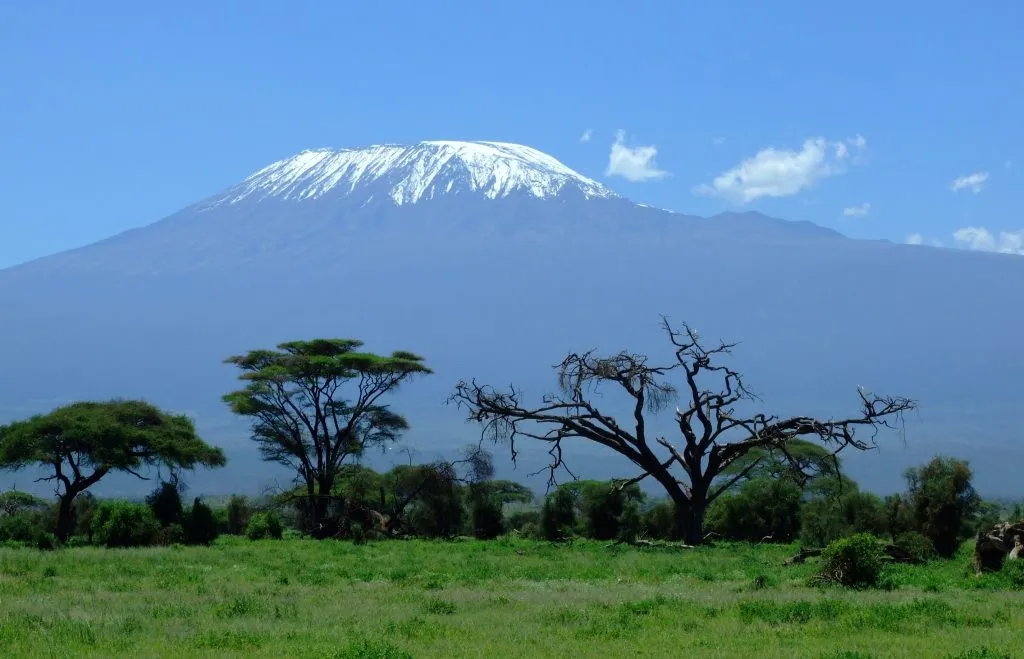
Tanzania Safaris Destination Mount Kilimanjaro National Park Plan Your Journey Mt Kilimanjaro National Park: Home to Africa’s tallest mountain Kilimanjaro National Park is home to Africa’s highest mountain and the highest free-standing mountain in the world. In 1987 the park was declared a UNESCO World Heritage Site thanks to its unique geological form rising from the flat savannah, its diverse wildlife, and its multiple vegetation zones. Mount Kilimanjaro consists of three peaks. The highest central peak is called Kibo (5,895m) and is a dormant volcano. It is flanked by the smaller Shira in the west (4,269 m) and Mawenzi in the east (5,280 m). However, both are extinct, whilst Kibo last erupted 150,000 and 200,000 years ago and could in theory awaken any day. Vegetation in Mt Kilimanjaro National Park The mountain’s vegetation is extremely varied with ~2,500 plant species. Two striking flowers include the endemic Impatiens Kilimanjari, which is a beautiful orchid-like plant and the beautiful Violet Viola Eminii. ~140 tree species can be found in the lush green belt of montane forests. The next vegetative zone, a heath and moorland, is where Giant Lobelias grace the landscape. The alpine desert zone above 4,000 m looks like a moonscape – full of rocks and dust. From the top of Kibo hikers will be rewarded with views of glaciers and three huge concentric craters. Activities & what to do The majority of the park’s visitors are hikers with the same goal in mind – to make it to Africa’s highest peak. Our trekking Mount Kilimanjaro page is a good place to find out more. Scratch deeper and you will discover that one of the best ways to experience the park with its outstanding views, plants and wildlife is during a 4-hour guided walk to the Shira Plateau. A wealth of wildlife can be seen on your journey there. ~140 mammal species live in the park and on the drive through the montane forests you may get a chance to see 87 of the forest species, such as the Colobus Monkey and the Mitis Monkey. Elephants, leopards, buffalos, and various antelopes including the endangered Abbot Duiker live here. So do ~179 highland bird species and 24 bat species. But hiking and plantlife are certainly the focus of a visit to the Kilimanjaro National Park. The Shira Plateau walk starts at 3,500m and it is your chance to take in its sounds, and smells, and colours. Enjoy outstanding views of Kibo; the vast plains of Kenya’s Amboseli National Park and the deep Simba River gorge. At the Shira Crater rim stop to see the volcanic cones dotting the landscape. Go at your own pace; enjoy a picnic lunch and discover the wonders of Mount Kilimanjaro National Park. When to go Best time to go to Mt Kilimanjaro National Park In Mount Kilimanjaro National Park, it is possible to experience 4 seasons in one day all year round. Saying that, the best time to go to Mount Kilimanjaro National Park is during the dry-season from June to end of October. This season is the period with the best weather on the mountain and the chance of cloud cover obscuring your view is much smaller. Evening and morning temperatures plummet and frosts are common, so remember to pack warm clothes. The park is still accessible during the two rainy periods from November to December and March to May, however the weather is less favourable. Dry Season June to Octover Best for walking the trail to the Shira crater or climbing to the summit of Kibo Green Season May to June & December to February The best time to experience the national park with fewer people. Why book with us Experienced Guides With years of safari guiding across Tanzania, our team ensures every moment is rich with discovery, comfort, and local connection. Experienced Guides With years of safari guiding across Tanzania, our team ensures every moment is rich with discovery, comfort, and local connection. Experienced Guides With years of safari guiding across Tanzania, our team ensures every moment is rich with discovery, comfort, and local connection. What Our Travelers Say Nothing speaks louder than the voices of travelers who have explored Tanzania with us. Whether it’s a first-time safari or a return journey, our guests consistently highlight our expert guides, seamless organization, and the unforgettable moments we create together.
Destination

Ruaha National Park

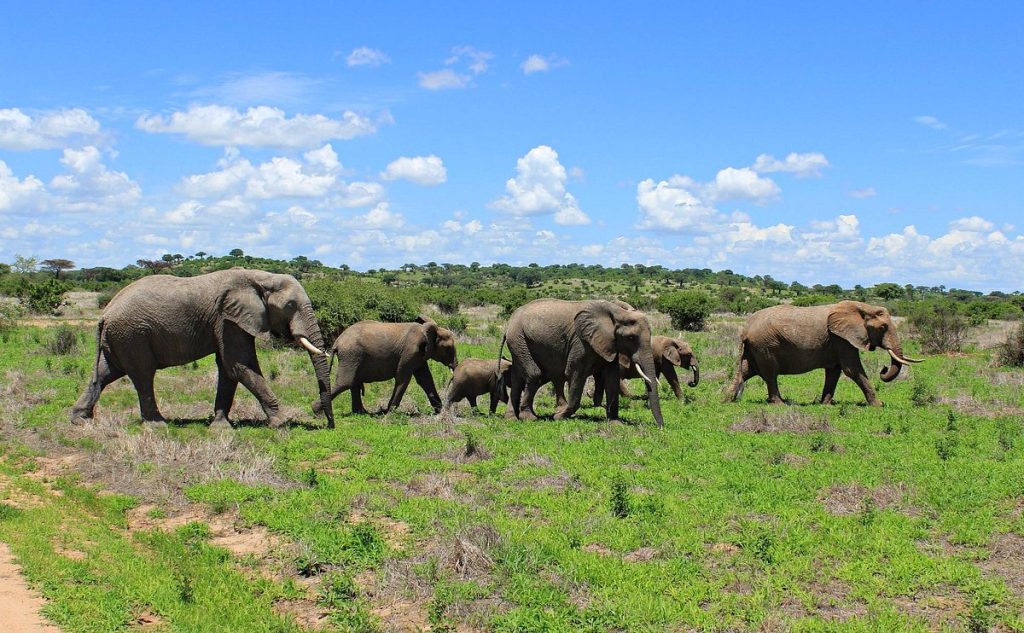
Tanzania Safaris Destination Ruaha National Park Plan Your Journey Ruaha National Park: The top safari destination in Southern Tanzania In Ruaha National Park, you can experience classic safari adventures without encountering many other travellers and safari vehicles. Famous for its high number of predators, elephants, and varied landscapes, walking safaris and hot air balloon rides. All you have to do is leave the popular northern circuit behind and venture South! The allure of a Ruaha safari is easy to grasp: It’s a huge national park, covering diverse landscapes which are home to an equally diverse number of wildlife species. Wildlife sightings are phenomenal here! At the same time there are comparably few accommodations available. This, coupled with its location in the remote southern part of Tanzania, many miles away from the popular Serengeti and Ngorongoro Crater means: Very few travellers make it to Ruaha What makes Ruaha National Park special? Excellent wildlife sightings in diverse landscapes with very few tourists around, make for exclusive safari experiences. Due to its remoteness, Ruaha is very popular with repeat visitors and passionate safari lovers who have been to Tanzania before. However, if you would like to visit Ruaha, while not missing out on Serengeti and Ngorongoro, you can choose to fly to Ruaha, landing at one of the bush airstrips inside the park. Vegetation and landscapes The vegetation in Ruaha National Park differs drastically between flat treeless savannahs, Miombo woodlands, dry bush lands, swamps, and riverine forests. To illustrate, almost 1650 different plant species can be found in the park, creating a one-of-a-kind botanical paradise. The park is named after the great Ruaha River of which 160 km flow through the park. It is the most distinctive feature of the park and for its residents the most important. Apart from the river the park is well known for its varied scenery – from large open plains to rolling hills, river systems to wetlands and kopjes to mountains. The Ruaha National Park marks the transition zone where eastern and southern species of flora and fauna overlap. The Great Rift Valley also runs through the park with escarpment walls rising between 50 and 100 m in height. Natural springs associated with the rift valley are scattered throughout the park. During the dry season, the majestic Ruaha River recedes to nothing more than a few precious waterholes that predators take complete advantage of. Laying silently in wait, knowing that thirst will drive herds of impalas, gazelles, and other antelopes to come drink. Additionally, the riverine vegetation on the shores around the river helps provide enough cover for lions, leopards, cheetahs, wild dogs and hyenas making it the best hunting ground in the park. Which animals can you see here? The Ruaha National Park is famous for having one of the highest concentrations of African elephants in East Africa. Hence, huge numbers of up to 200 are often spotted below giant baobab trees. What’s more, the park is also home to both species of kudu (greater and lesser) as well as the majestic sable and roan antelopes both of which are frequently seen. Ornithologists are also in for a treat as up to 529 species have been sighted in the park. For example, some of the famous birds include the endemic Ruaha red billed hornbill, kingfishers, sunbirds, black collared lovebirds, ashy starlings, ground hornbills, bateleurs, fish eagles and many more. Activities Day-time game drives are the main activity in the park and exciting enough if you ask us. However, if you’d like to change your perspective or add a highlight to your trip, you have the option to book a walking safari or a hot air balloon ride – truly special experiences. When to go Best time to go to Ruaha National Park As with many safari destinations, the dry season is the best time to visit Ruaha National Park. Between end of June and November, the mighty Ruaha River is one of the very few water sources for animals – an ideal area for great wildlife sightings. The weather is sunny and warm, but not too hot and the roads are dry and better to navigate. The rains start earlier than on the Northern Circuit and can begin as early as mid-December and last until March. The rainy season is a great time for birders as many migratory birds can be observed. However, during the rainy low season, some accommodations in Ruaha National Park close temporarily, so good planning is essential. Dry Season une to November Best for wildlife sightings at the Ruaha River. Green Season December to May Great for birding, but dense vegetation can make sightings difficult. Why book with us Experienced Guides With years of safari guiding across Tanzania, our team ensures every moment is rich with discovery, comfort, and local connection. Experienced Guides With years of safari guiding across Tanzania, our team ensures every moment is rich with discovery, comfort, and local connection. Experienced Guides With years of safari guiding across Tanzania, our team ensures every moment is rich with discovery, comfort, and local connection. What Our Travelers Say Nothing speaks louder than the voices of travelers who have explored Tanzania with us. Whether it’s a first-time safari or a return journey, our guests consistently highlight our expert guides, seamless organization, and the unforgettable moments we create together.
Destination

Mikumi National Park

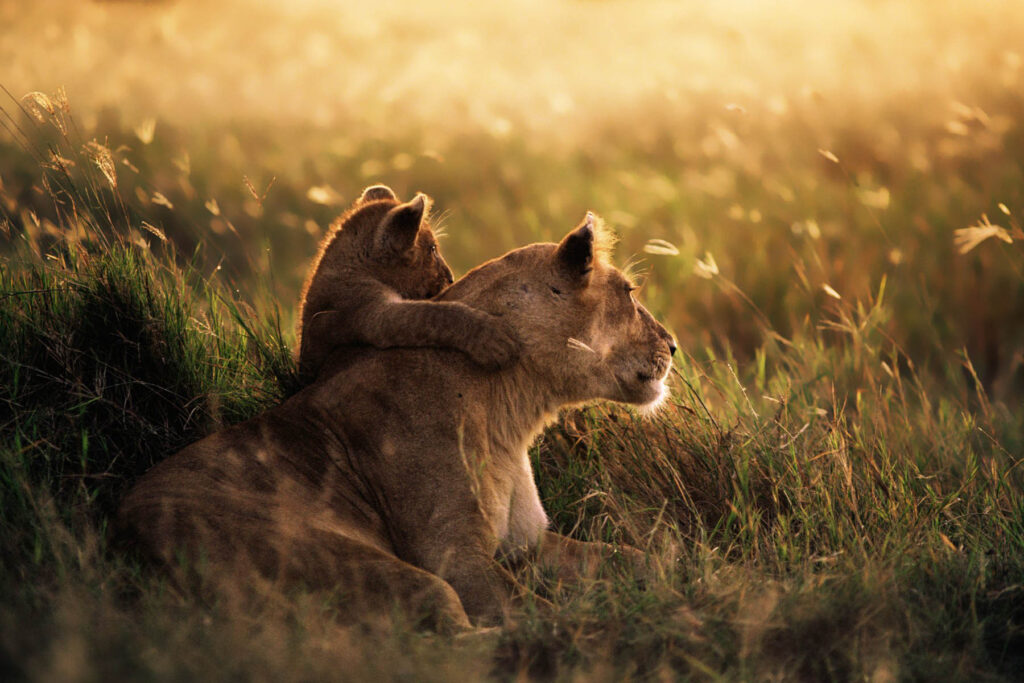
Tanzania Safaris Destination Mikumi National Park Plan Your Journey Mikumi National Park: A huge catchment of wildlife Lake Manyara National Park is one of the oldest and at the same time smallest of Tanzania’s parks. While the wildlife may not be as abundant as in other parks, it has beautiful landscapes, and it is the perfect place for nature lovers to unwind on the first few days of a safari. It is an alkaline lake surrounded by vegetation that transitions from groundwater forests to flood plains and finally to grasslands dotted with acacia trees. The lake is fed from the northern Simba River and the eastern Makuyuni River. Plus, it forms part of the Rift Valley catchment during the rainy seasons. In recent years the lake’s water level has risen significantly and skeletons of waterlogged trees mark the old shoreline. Park inhabitants include buffalos, hippos, baboons, waterbucks, impalas, giraffes, zebras, and wildebeests. There is a healthy population of leopards, but sightings are rare due to the thick vegetation. In the past, the park was renowned for large populations of elephants and tree-climbing lions, however, since the lake’s water levels have risen sightings are rarer. Highlights of Mikumi National Park Mikumi National Park is part of the enormous Ruaha and Nyerere ecosystems, making it exceptional wildlife viewing. It is home to lions, leopards, hyena and even rare African wild dogs. Two artificial pools are famous for Mikumi’s hippos, and they attract an array of wildlife, including large numbers of elephants and buffalos. Unique antelopes, such as the eland, greater kudus, Lichtenstein’s hartebeest and sable antelopes can be seen around the Miombo woodlands and the Vuma hills. Mikumi National Park is an excellent place for birdwatching in Tanzania, as 400 bird species reside here. The black-bellied bustards, guinea fowl, marabou storks, bateleur eagles, ox peckers, lilac-breasted rollers, and yellow-throated long claws are a few of the many species you can see. Additionally, from November to April, migrating birds return to the park. When to go Best time to go to Mikumi National Park You can travel to this park all year round. However, the best time to go to Mikumi National Park is during the dry season, from June to October. During this period, the wildlife congregates near water sources, such as the Mkata River and hippo pools. High concentrations of animals make for excellent wildlife spotting and increase the possibility of seeing predators hunting. The dry season is also the best period to hike in the mountains and arrive at Kinole waterfall to swim in the plunge pool.   Dry Season June to October Ideal for wildlife viewing and guided treks in the Ruhebo and Uluguru Mountains Green Season March to May Best for spotting migratory birds returning to Africa. Why book with us Experienced Guides With years of safari guiding across Tanzania, our team ensures every moment is rich with discovery, comfort, and local connection. Experienced Guides With years of safari guiding across Tanzania, our team ensures every moment is rich with discovery, comfort, and local connection. Experienced Guides With years of safari guiding across Tanzania, our team ensures every moment is rich with discovery, comfort, and local connection. What Our Travelers Say Nothing speaks louder than the voices of travelers who have explored Tanzania with us. Whether it’s a first-time safari or a return journey, our guests consistently highlight our expert guides, seamless organization, and the unforgettable moments we create together.
Destination

Lake Natron

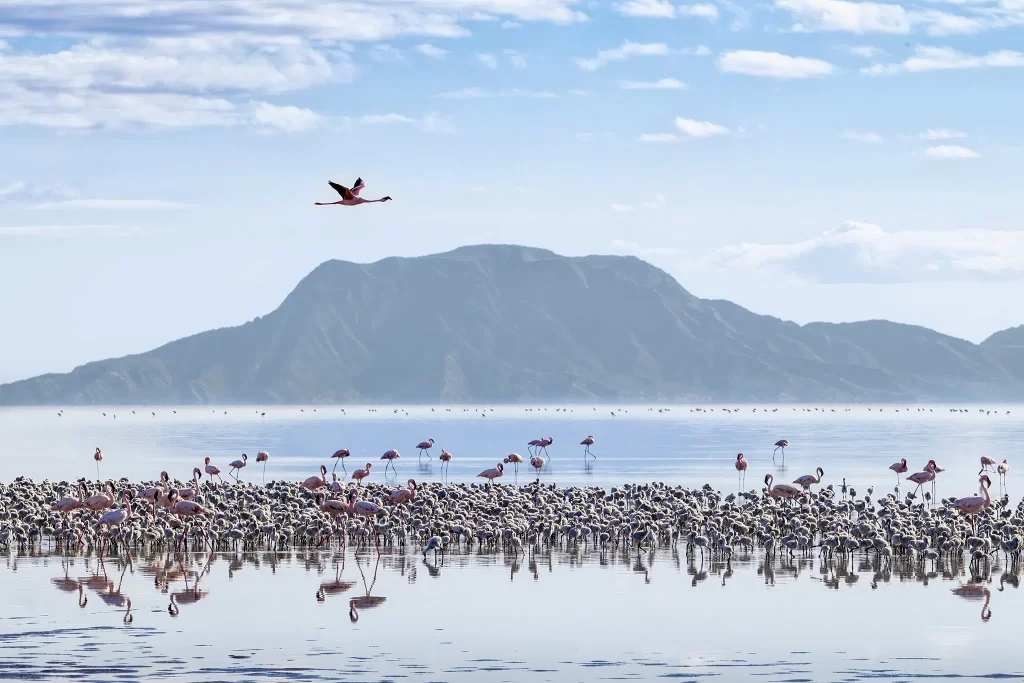
Tanzania Safaris Destination Lake Natron Plan Your Journey Lake Natron A soda lake & a live volcano Lake Natron is a huge alkaline lake on the border of Tanzania and Kenya. Although Arusha (214km) is in the vicinity, it’s a wild and isolated area on the famous Northern Circuit. Yet, Lake Natron can be easily visited in conjunction with  Tarangire National Park, Ngorongoro Crater and the Serengeti National Park. Lake Natron experiences a hot desert climate year-round, and its alkaline water is deadly to most birds and animals. Moreover, the roads are bumpy, and the air is dusty. So why does Lake Natron attract so many visitors? Lake Natron is a destination for nature lovers, solitude seekers and photographers. This incredible lake, which turns red in the dry season, dominates the stunning scenery, and Ol Doinyo Lengai, an active volcano, creates a spectacular backdrop. The deep ochre colours and unique landscapes feel unreal at times. It is an alkaline lake surrounded by vegetation that transitions from groundwater forests to flood plains and finally to grasslands dotted with acacia trees. The lake is fed from the northern Simba River and the eastern Makuyuni River. Plus, it forms part of the Rift Valley catchment during the rainy seasons. In recent years the lake’s water level has risen significantly and skeletons of waterlogged trees mark the old shoreline. Park inhabitants include buffalos, hippos, baboons, waterbucks, impalas, giraffes, zebras, and wildebeests. There is a healthy population of leopards, but sightings are rare due to the thick vegetation. In the past, the park was renowned for large populations of elephants and tree-climbing lions, however, since the lake’s water levels have risen sightings are rarer. Ol Doinyo Lengai The Maasai say the volcano is home to their god, Ngai. In fact, in the Maa language, Ol Doinyo Lengai means “Mountain of [the] God.” A guided trek up this mountain departs at midnight to avoid the heat. However it is an incredibly steep and challenging hike, but the dawn views from the crater rim are incredible and are the reward for the steep ascent. Engare Sero 15 km (9 mi) from Ol Doinyo Lengai, evidence of humankind’s earliest days can be observed at Engare Sero. Four hundred preserved human footprints crisscross the ground and give us a glimpse into the lives of people who lived in the area from 5000 to 19000 years ago, which is a humbling experience. Flamingos From September to May, Lake Natron becomes a breeding ground for ~2.5 million Lesser Flamingos, an incredible wildlife spectacle. This is one reason why Lake Natron is considered a Ramsar site, a wetland of international importance. They breed in the shallow waters in the middle of the lake to protect their young from hyenas and jackals. You can also see them moving through the water in large, choreographed groups. However, the most common behaviour to observe is the flamingos feeding on the lake’s shoreline. An additional ~250 bird species make birdwatching a popular attraction. Along with the Lesser and Greater Flamingo, you can see the common ostrich, sacred ibis, Egyptian goose, pelican, crested francolin, kori bustard, bare-faced go-away-bird and many others. Lake Natron does not have vast numbers of wildlife. However, the shoreline is home to zebra, wildebeest, kudu, oryx, and gerenuks, while golden jackals and hyenas are among the few rarely seen predators. What to do at Lake Natron? One highlight is a short 45-minute guided hike to Lake Natron’s waterfall, which is a marvel in such a hot environment. Walks commence in the afternoons, and when you enter the steep sided Ngare Sero River gorge, you instantly feel relief from the heat. Hip high water crossings add to the cooling effect. Moreover, you can swim behind the cascading torrent of water at the waterfall – an unforgettable experience. Visit a Manyata (homestead) to learn more about the Maasai, their gods, and their nomadic culture. Lake Natron is an off-the-beaten-track destination for nature lovers looking to leave the rest of the world behind. When to go to Lake Natron & Ol Doinyo Lengai The best time to visit Lake Natron is during the dry season, from June to October. Daytime temperatures are still hot but milder than during the rainy season, and hiking is more comfortable. Intense evaporation during the dry season increases the lake’s salinity levels, creating the perfect environment for the cyanobacteria to multiply rapidly. This process turns the lake red. Consequently, the best time to take incredible photos is the dry season. The area should be avoided from mid-November to February if you do not like very hot weather. You can visit during the rainy season, from March to May; however, parts of the shoreline may be inaccessible.   Dry Season June to October Ideal for hiking and to see the start of the flamingo breeding season. Green Season March to May Heavy rain turns the surroundings green, and the dilution of the lake water dissolves the red hue. Why book with us Experienced Guides With years of safari guiding across Tanzania, our team ensures every moment is rich with discovery, comfort, and local connection. Experienced Guides With years of safari guiding across Tanzania, our team ensures every moment is rich with discovery, comfort, and local connection. Experienced Guides With years of safari guiding across Tanzania, our team ensures every moment is rich with discovery, comfort, and local connection. What Our Travelers Say Nothing speaks louder than the voices of travelers who have explored Tanzania with us. Whether it’s a first-time safari or a return journey, our guests consistently highlight our expert guides, seamless organization, and the unforgettable moments we create together.
Destination

Lake Manyara National Park

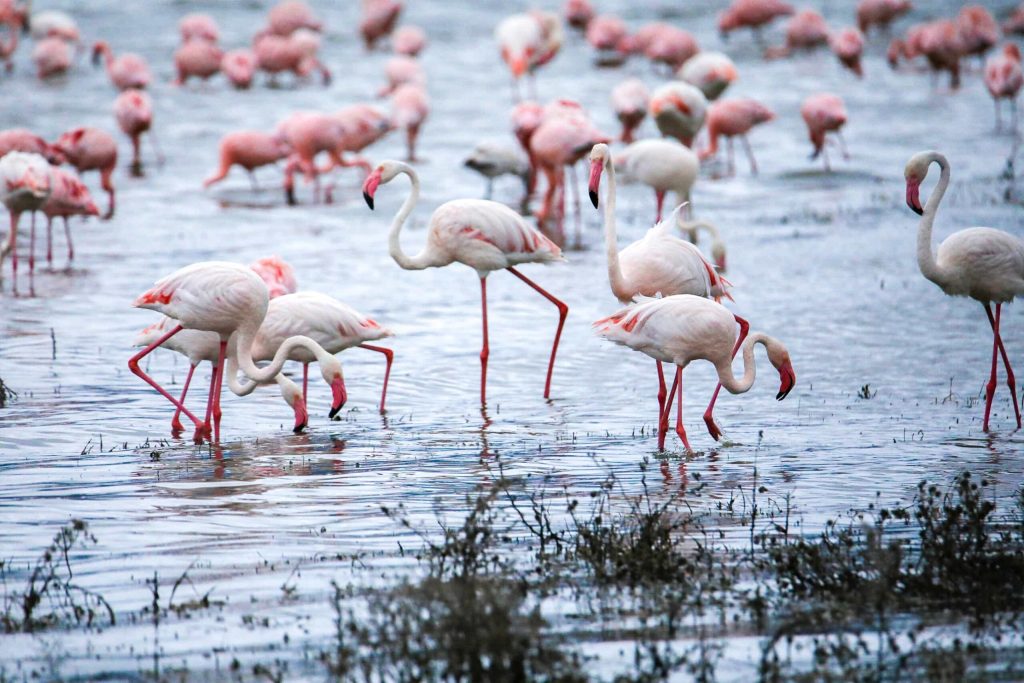
Tanzania Safaris Destination Lake Manyara National Park Plan Your Journey Unique forests In a beautiful landscape await you Lake Manyara National Park is one of the oldest and at the same time smallest of Tanzania’s parks. While the wildlife may not be as abundant as in other parks, it has beautiful landscapes, and it is the perfect place for nature lovers to unwind on the first few days of a safari. It is an alkaline lake surrounded by vegetation that transitions from groundwater forests to flood plains and finally to grasslands dotted with acacia trees. The lake is fed from the northern Simba River and the eastern Makuyuni River. Plus, it forms part of the Rift Valley catchment during the rainy seasons. In recent years the lake’s water level has risen significantly and skeletons of waterlogged trees mark the old shoreline. Park inhabitants include buffalos, hippos, baboons, waterbucks, impalas, giraffes, zebras, and wildebeests. There is a healthy population of leopards, but sightings are rare due to the thick vegetation. In the past, the park was renowned for large populations of elephants and tree-climbing lions, however, since the lake’s water levels have risen sightings are rarer. Highlights: On entry, visitors to Lake Manyara National Park are greeted by a green forest which boasts ancient Mahogany, Sycamore fig, Kapok and huge Baobabs trees. The park is home to large groups of olive baboons with as many as 150 individuals in the troop. They can be seen playing and foraging in the forest and rivers. Views of the lake are stunning with 670 flowering species and 180 butterfly species found here. For bird enthusiasts, this park is truly rewarding as over 390 species of birds have been recorded. The peace of the forest can be disrupted by the trumpeting calls of the Silvery-cheeked Hornbills, Ground Hornbills and Red-billed Hornbills. Water birds like Blacksmith Plovers, Little Egrets, Black Herons, Spoonbills and Pink Backed Pelicans can be seen here. Flamingos, once abundant, are now seasonal visitors due to the increased water level. Large herds of wildebeests, zebras and buffaloes like to gather on the open flood plains from where they graze and can keep a lookout for approaching predators. When to go Best time to go to Lake Manyara National Park You can visit Lake Manyara almost all-year-round. During the dry season from June to late October, the weather is warm and pleasant with low humidity levels and minimal chance of rain. It is the best time to see the wildlife as animals and birds congregate near water sources during the five-month period of no rain. The short rains occur less predictably in November and December in short afternoon showers. A second dry period from January and February is another good time to visit, whilst the long rains, which occur in daily thunderstorms from March to May, render parts of the park inaccessible. Dry Season June to October: Best for wildlife watching and relaxing in nature Green Season March to May Best for bird watching and to see nesting behaviour Why book with us Experienced Guides With years of safari guiding across Tanzania, our team ensures every moment is rich with discovery, comfort, and local connection. Experienced Guides With years of safari guiding across Tanzania, our team ensures every moment is rich with discovery, comfort, and local connection. Experienced Guides With years of safari guiding across Tanzania, our team ensures every moment is rich with discovery, comfort, and local connection. What Our Travelers Say Nothing speaks louder than the voices of travelers who have explored Tanzania with us. Whether it’s a first-time safari or a return journey, our guests consistently highlight our expert guides, seamless organization, and the unforgettable moments we create together.
Destination

Arusha National Park

Tanzania Safaris Destination Arusha National Park Plan Your Journey Arusha National Park: A small park with so much to offer It’s a gorgeous, almost magical place – Arusha National Park, northeast of Arusha town and just 50 kilometres from the international Kilimanjaro Airport. Black-and-white Colobus monkeys jump through the treetops with ease, elegant giraffes wander across the open savannah, and beautiful flamingos stand tall in the shallow Momella Lakes while Mt Meru calmly overlooks the goings-on. Compared to Tarangire or Serengeti National Park, the Arusha National Park is very small. But on this comparably small area – which is still bigger than 77,000 football (soccer) fields! – you will find a surprisingly large diversity of vegetation supporting an equally large diversity of wildlife. From Mt Meru, the fifth highest mountain in Africa, in the West, the Momella Lakes in the North-East and the Ngurdoto Crater in the South-West you can experience mountainous forest, open savannah and grass land as well as a lush rain forest. What to see in Arusha National Park Passing the “small Serengeti” during a game drive, you are likely to spot peaceful herds of buffaloes, shy bushbucks on the edge of the forest as well as warthogs and zebras. The area is also home to a high concentration of giraffes. Heading towards the Ngurdoto Crater you will soon find yourself in a lush rainforest – a great place to spot the athletic black and white colobus monkey as well as the elegant mitis monkey. The Ngurdoto Crater is basically a smaller version of the Ngorongoro Crater and has a diameter of about 3 km. With a bit of luck, you might even spot buffaloes in the swamps on the crater floor. On the way towards the Momella Lakes, visitors are in for a treat as common waterbucks and reedbucks love to hang around the lake shore. An array of water birds like cormorants, kingfishers and beautiful flamingos are also often spotted. Arusha National Park is also home to about a handful of African elephants but due to their constant movement they are hardly ever spotted. The same goes for leopards which roam the vast foggy forests of Mt Meru. What to do in Arusha National Park The most common activity here are classic game drives in 4×4 safari vehicles. Your experienced local guide knows the best areas to spot wildlife and will safely navigate the terrain. It is a great place for a day trip or the start of your longer safari. But there is more: If you want to get active, you can go on walking safaris in Arusha National Park. There are very few places in Tanzania’s protected national parks which allow you to walk amongst the wild on foot. But the low number of predators in Arusha National Park makes it possible. A walking safari is a great opportunity for anyone wanting to get up close to wildlife and birdlife, have a closer look at the moss-covered trees and take in the sounds and smells and colours around them. Most common sightings whilst on a walking safari include buffaloes, warthogs, giraffes and a variety of birds such as the silvery cheeked hornbill, little bee-eater and the occasional long crested eagle. The walk takes visitors to the refreshing Tululusia waterfalls and back to the Momella gate. The Momella Lakes The Momella Lakes in the north-east are shallow alkaline lakes with different salt levels. An ideal habitat for flamingos! Depending on the season and the water levels, you can spot large flocks of these elegant birds here. On the small Momella Lake, you can also go on a canoe trip. These scenic and peaceful trips take about 2.5 to 3 hours and take you past antelope and buffalo herds grazing along the shore. You will be accompanied by an experience guide. Arusha National Park truly has such a lot to offer and dazzles with a perfect mix of flora and fauna and diversified landscapes. Why book with us Handpicked Destination With years of safari guiding across Tanzania, our team ensures every moment is rich with discovery, comfort, and local connection. Best Price Guaranteed Our Best Price Guarantee means that you can be sure of booking at the best rate. 24/7 Cutomer Service Our customer are standing by 24/7 to make your experience incredible. What Our Travelers Say Nothing speaks louder than the voices of travelers who have explored Tanzania with us. Whether it’s a first-time safari or a return journey, our guests consistently highlight our expert guides, seamless organization, and the unforgettable moments we create together.
Scroll to Top