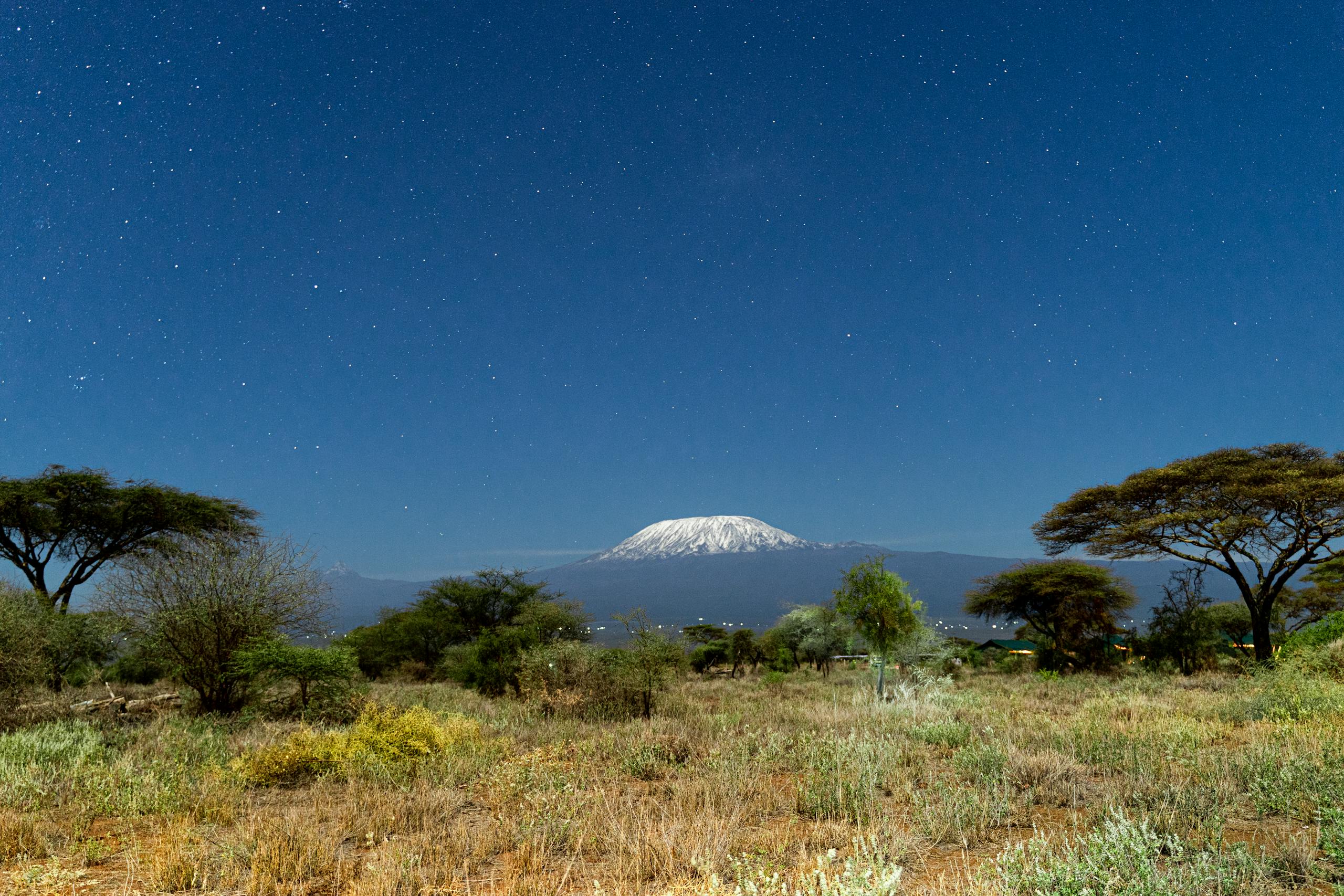
The Machame Route, fondly known as the “Whiskey Route,” is one of the most scenic and rewarding ways to summit Mount Kilimanjaro. At Jema Safaris & Tours, we proudly guide climbers along this iconic trail each year, beginning in the lush rainforest at the southern base of the mountain and ascending through ever-changing landscapes toward the Roof of Africa.
Available in both 6-day and 7-day variations, the Machame Route offers flexibility to match your schedule and fitness level. We highly recommend the 7-day option, as the additional acclimatization day significantly improves comfort, adaptation to altitude, and overall summit success rates.
This route is celebrated for its dramatic beauty and diverse scenery. During your ascent, you will journey through all five of Kilimanjaro’s climatic zones—from dense tropical forest to moorland, alpine desert, and finally the arctic summit zone. Highlights include:
Conquering the impressive Barranco Wall, a thrilling yet non-technical scramble with breathtaking panoramic views
Walking among the remarkable Dendrosenecio kilimanjari, rare giant groundsels found only on Mount Kilimanjaro
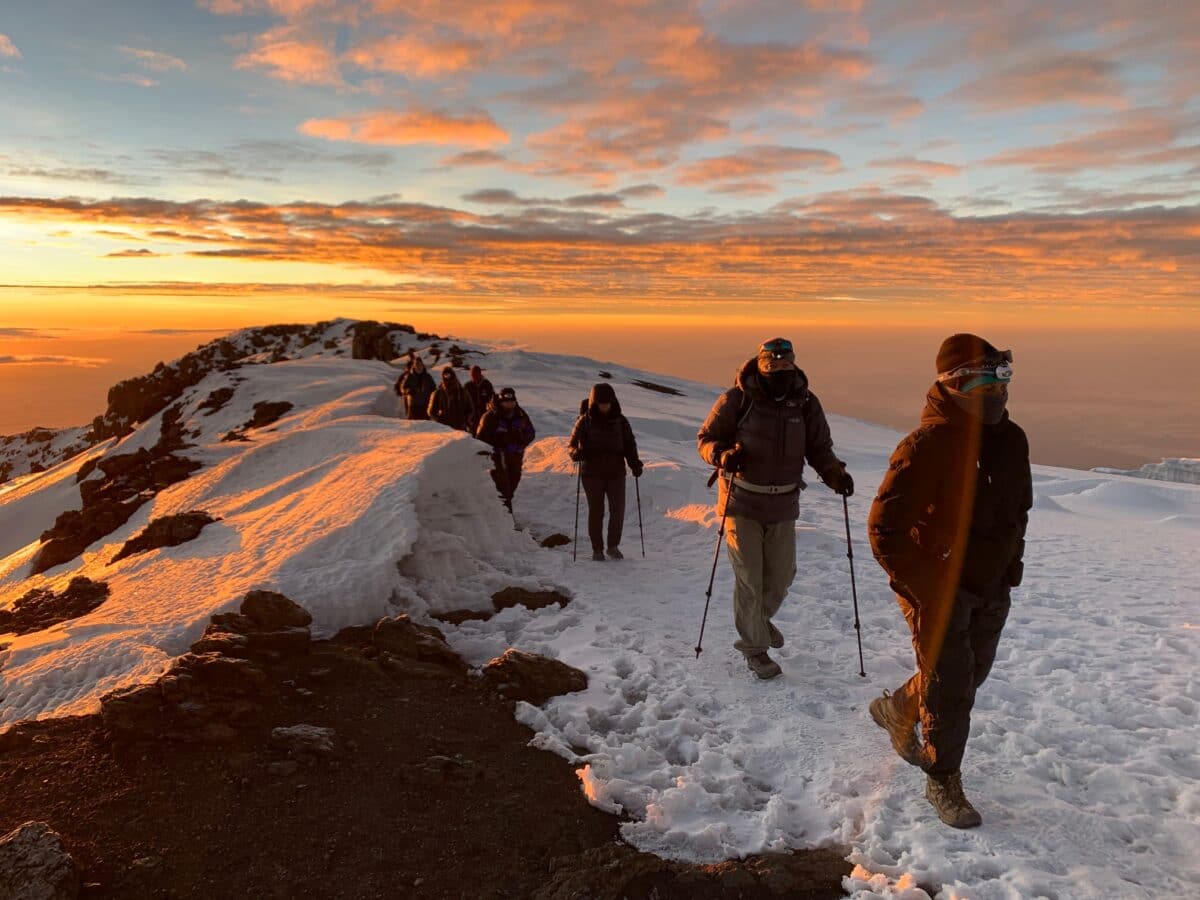
Spectacular sunrise views above the clouds on summit day
Machame is ideal for adventurous beginners as well as experienced trekkers seeking a visually diverse and dynamic climb.
Safety & Professional Standards
At Jema Safaris, safety is our highest priority. Our expeditions are led by experienced, certified mountain guides and supported by a professional crew dedicated to your well-being and success.
To maintain strict safety standards, Kilimanjaro expeditions are available to participants aged 12 to 70 years.
Tour Highlights
- Kilimanjaro
Upon arrival at Kilimanjaro International Airport (JRO), you will be warmly welcomed by a representative from Jema Safaris & Tours and transferred to your hotel, included in your package rate.
Your selected hotel offers all the comforts needed after your journey — well-appointed rooms, hot showers, complimentary Wi-Fi, a swimming pool, and attentive hospitality to ensure a relaxing start to your Tanzanian adventure.
In the evening, you will attend a comprehensive pre-climb briefing conducted by our experienced mountain team. During this session, we will review your itinerary, check your gear, and ensure you are fully prepared and confident to begin your Kilimanjaro ascent.
Kindly note: Check-in time at the hotel begins at 2:00 PM.
Your adventure begins in the morning when your Jema Safaris mountain guide and support crew meet you at your hotel for a short briefing. You will then transfer to Machame Gate, the starting point of your Kilimanjaro climb. After completing park registration and permit formalities, your trek begins.
The trail winds through a lush tropical rainforest, rich with towering trees and vibrant birdlife. Rain showers are common in this zone, so a waterproof jacket and spare clothing are highly recommended.
Acclimatization & Safety Guidelines
As this is your first day at altitude, proper acclimatization is essential:
Drink at least 4 liters of water daily, in small, frequent sips.
Consult your doctor before travel regarding altitude medication and personal health considerations.
Inform your guide immediately if you experience symptoms such as headache, nausea, or unusual fatigue.
Mild discomfort during the night is normal as your body adjusts to reduced oxygen levels. Our professional team monitors your condition closely to ensure your safety throughout the climb.
Trekking Time: 5–6 hours
Distance: 5 km (3.1 miles)
After breakfast, you begin your ascent toward Shira Camp, leaving the rainforest behind and entering the open moorland zone. As the vegetation changes, dramatic views of the Shira Plateau unfold before you—an expansive volcanic landscape stretching beneath Kilimanjaro’s towering peaks.
Today’s hike is steady and manageable, though the increase in altitude becomes noticeable. Maintaining a slow, consistent pace is essential for proper acclimatization. Upon arrival at Shira Camp, you will enjoy lunch and time to rest before continuing with an important acclimatization walk.
Acclimatization Hike (Highly Recommended)
In the afternoon, you will hike toward Lava Tower, gaining approximately 400 meters (1,312 ft) in elevation before returning to Shira Camp for dinner.
This short, gradual climb is designed to help your body adjust to higher altitudes. Taking acclimatization hikes seriously greatly improves summit success rates and reduces the risk of altitude-related symptoms.
Acclimatization Details:
Start: Shira Camp – 3,750 m (12,303 ft)
High Point: 4,120 m (13,517 ft)
Distance: 2 km (1.2 miles)
Duration: 1–2 hours
After breakfast, you depart Shira Camp and continue toward one of the most important acclimatization points of the Machame Route — Lava Tower (4,600 m / 15,088 ft).
This section includes several ascents and descents across a dramatic alpine desert landscape. While the terrain is not technical, the altitude makes the trek more demanding, and mild discomfort can occur. Upon reaching Lava Tower, you will spend 1–2 hours at high altitude, enjoying lunch while allowing your body to adapt — a key strategy often described as “climb high, sleep low.”
Following lunch, you descend gradually to Barranco Camp (3,900 m), where the air feels richer and breathing becomes easier. From camp, you will have a close view of the famous Barranco Wall, an impressive rock face that appears steep but follows a straightforward and non-technical hiking route. Your guides will carefully assist you the following day to ensure a safe and enjoyable climb.
Trekking Time: 6–8 hours
Distance: 11 km (6.8 miles)
The day begins early after a nourishing breakfast. To avoid congestion on the trail, your Jema Safaris guide will lead the ascent of the iconic Barranco Wall at dawn. Despite its dramatic appearance, the climb is non-technical and typically takes about one hour. At the top, you will pause to rest and capture spectacular photographs with Kibo Peak rising behind you.
From here, the trail continues across rolling terrain toward Karanga Camp, with several ascents and descents along the way. While this section can feel demanding, your guides carefully set a steady, energy-saving pace to ensure comfort and safety. Upon arrival, you will enjoy a warm lunch and short rest.
In the afternoon, the trek continues gradually upward to Barafu Camp, your base camp for the summit attempt. After an early hot dinner, the remainder of the day is dedicated to rest and preparation for the midnight ascent to Uhuru Peak.
Trekking Time: 8–10 hours
Distance: 11 km (6.8 miles)
After a midnight start from Barafu Camp, you begin the final push to Uhuru Peak, the summit of Kilimanjaro at 5,895 m (19,336 ft). The climb is technically straightforward, but the extreme altitude makes every step physically demanding. To ensure safety, each pair of climbers is accompanied by a personal guide who monitors both physical condition and morale throughout the ascent.
Reaching the summit, you can pause to celebrate and, if you wish, approach the nearby glacier for a unique photo opportunity. After soaking in the breathtaking views from Africa’s highest point, you descend back to Barafu Camp for a short 2-hour rest and refreshments. The journey then continues down to Millennium Camp, where you will enjoy dinner and a well-earned night of rest.
Important Safety Note: Most accidents on Kilimanjaro occur during descent. Pay careful attention to your footing, as slipping can lead to injuries, including broken toes or damaged toenails.
Trekking Time: 8–12 hours
Distance: 15 km (9.3 miles)
After a restful night at Millennium Camp in the lush tropical rainforest, you will wake up feeling the relief of lower altitude and the satisfaction of having summited Kilimanjaro. Following a hearty breakfast, the trek continues down to Mweka Gate, the official exit of Kilimanjaro National Park.
At the gate, your group will celebrate your achievement and have the opportunity to share your experience in the guestbook. Finally, you will receive your summit certificate at the Jema Safaris office, before being transferred back to your hotel for a well-earned rest.
Trekking Time: 4–5 hours
Distance: 12 km (7.4 miles)
After breakfast, enjoy some leisure time at your hotel before checking out. Your Jema Safaris team will transfer you to the airport for your onward flight.
Please Note: Standard hotel check-out is at 11:00 AM. If your flight departs in the evening, you may arrange a late check-out for an additional fee.
This marks the conclusion of your unforgettable Kilimanjaro adventure.
Rates
Here's how your price comes together.
Cost Includes
- All transfers to the hotel before and after the hike
- Hotel before and after the hike
- Camping equipment
- Meals on the hike
- Professional guides and porters
- Medical check-ups, fully-loaded medical kits
- All park fees and taxes
Cost Excludes
- International flights
- Tipping your climbing crew(recommended $20 p.p per day
- Visa fee
- Personal gear rentals
- Travel insurance
Climbing Mount Kilimanjaro FAQs
Timing your climb is vital for success, comfort, scenery, and managing crowds. Choosing the right window can make the difference between clear skies and muddy trails, or quiet paths and busy groups.
For 2025/26, the best periods to climb are:
- Mid-December to early March – Enjoy warm temperatures, generally clear skies, and moderate crowds.
- Late June to October – This is the longest dry season with the most reliable conditions, though it is also the busiest period.
Periods to avoid if possible:
- April to mid-May – Tanzania’s long rainy season makes trails muddy and can obscure views.
- November – Short rains may occur. Fewer crowds make it appealing, but the weather is less predictable.
One of the highlights of a Kilimanjaro climb and a key to your success is the food. With the right operator, meals are nutritious, plentiful, and carefully prepared to keep you energised at altitude.
On a typical trek, a dedicated camp cook team serves:
- Breakfast: Porridge, eggs, toast, and fresh fruit.
- Lunch: Sandwiches, hot soup, and a hearty main dish.
- High-tea snack: Served during summit attempts to keep energy up.
- Dinner: Often a three-course meal like soup, main (pasta, rice, vegetables, or protein), and dessert.
On most Kilimanjaro routes (except the hut-style Marangu), you’ll sleep in two-person, four-season tents set up by your crew.
– Toilets: Each camp provides a portable toilet tent, standard on quality climbs. On more basic climbs, you may encounter a pit latrine or a simple bucket-style toilet; check with your operator in advance.
– Showers: There are no regular showers on the mountain. Some lodges at the start or end of your trek offer hot showers. Certain luxury operators may provide a solar-heated shower tent as an optional upgrade. Realistically, plan for minimal washing facilities on the mountain, take with you wet wipes, biodegradable soap, and a change of clothes are essential.
– Base camp in Moshi: Before or after your climb, you can stay in a comfortable lodge with hot showers, cosy beds, and nourishing meals. The perfect way to refresh and reward yourself after the trek.
Tip: Pack a quick-dry towel, flip-flops, wet wipes, and dry shampoo. Your legs will thank you when you relax in the lodge afterwards.
The climate is one of the most fascinating features of the climb as you will pass through multiple ecological zones.
- Forest zone: warm, humid, lush vegetation, sometimes rain.
- Heather/Moorland zone: cooler, drier, more open terrain.
- Alpine desert: stark, windswept, cold nights, daytime sun strong.
- Summit zone: very cold, often sub-zero at night, snow or ice possible. Summit night temperatures can drop to around -15 °C (5 °F).
Be ready for big temperature swings from warm/humid at base, chilly and windy on the summit. Layering gear is essential.
Accommodation can be split into before or after the climb, and on the mountain. Before you tackle the mountain, typically, you will stay at a three or four-star or boutique lodge in Moshi or Arusha. Rooms with en-suite bathrooms, hot showers, possibly a pool, and good meals. Remember, this is your book-in and recovery period, so choose something comfortable to ease into and out of the trek. Let’s have a look at the type of accommodation you will get on the Kilimanjaro:
On-mountain accommodation
- Marangu Route: Hut-style accommodation (wooden dormitory huts, mattresses, blankets, but basic).
- Most other routes (Machame, Lemosho, Northern Circuit, Rongai): Camping: two-person tents, a mattress provided, sleeping bag (often rented or yours to bring).
- Your operator’s standard will make a difference (quality of tents, mats, communal dining tents, lounge tent, views).
- You’ll sleep each night at camp; comfort is relative, the emphasis is on altitude and experience, not luxury.
Packing the right gear is important for comfort, safety, and enjoyment on Kilimanjaro. Your clothing and equipment should balance warmth, protection, and mobility, while keeping your load manageable. Let’s take a look at what you should take with you:
– Footwear and daypack: A sturdy, waterproof hiking boot with ankle support is non-negotiable; save your trainers for the lodge, not the mountain. Your daypack (20–30 litres) will carry your essentials on summit day: water, layers, gloves, snacks, and your camera.
– Clothing layers: Layering is key to staying comfortable across Kilimanjaro’s wide temperature range. Start with a moisture-wicking base layer, add a fleece mid-layer, and top with an insulated jacket (down or equivalent). Bring a waterproof shell jacket and trousers, thermal or soft-shell pants, and gloves or mittens, both thin and insulated. Don’t forget a warm hat or buff, sunglasses with strong UV protection, and a sleeping bag rated to around -10 °C or lower (confirm specifications with your operator).
-Trekking essentials: Trekking poles are strongly recommended, especially for summit day, while a headlamp with spare batteries is essential for the pre-dawn ascent. Other useful items include flip-flops or trainers for camp, a quick-dry towel, toiletries, high-altitude sunscreen, lip balm, spare batteries or power bank, and optional water purification tablets if your operator doesn’t provide filtered water.
– Luggage considerations: Each climber’s private gear bag (usually a duffel) is carried by porters from lodge to camp, with most operators capping the weight at around 20 kg. Remember, your daypack is what you carry yourself each day, so pack thoughtfully. For international and domestic flights, follow your airline’s luggage allowance (often 23 kg checked plus carry-on). Extra non-essential items can be stored in Moshi or shipped back to your lodge. This lightens your load and makes summit day more manageable.
Interested in This Tour?
Jema Safaris Travel Proposal
Fill in the form below and our team will create a personalized travel proposal for your dream adventure.